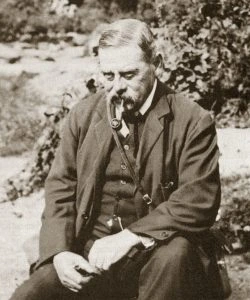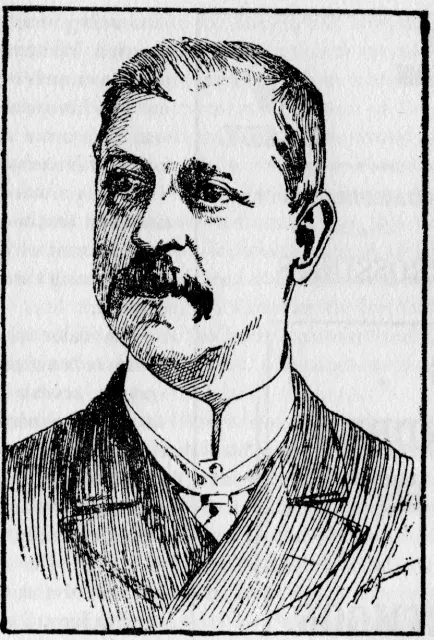
Arthur B. Prowse
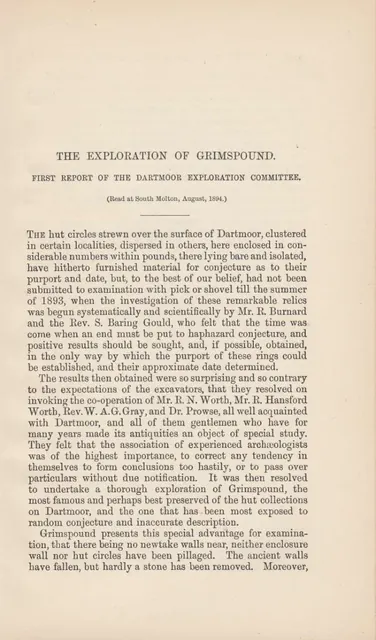
Doctor and indexer (M.D., F.R.C.S.), one of the first members invited to the Grimspound dig of 1894, who compiled the Devonshire Association's indexes to Risdon and to Dartmoor.
Showing listings tagged “Antiquarian Research” Show all listings
Doctor and indexer (M.D., F.R.C.S.), one of the first members invited to the Grimspound dig of 1894, who compiled the Devonshire Association's indexes to Risdon and to Dartmoor.
Ashburton
Ashburton antiquary and lieutenant-colonel of volunteers (1839-1907), treasurer of the Devonshire Association from 1893, secretary of its Folk-lore Committee and joint editor of Devon Notes and Queries.
The Devonshire Association committee that dug, surveyed and re-erected Dartmoor's hut circles, stone rows and cairns from 1893, with eleven reports by 1906 and a twelfth in 1935.
Ashburton
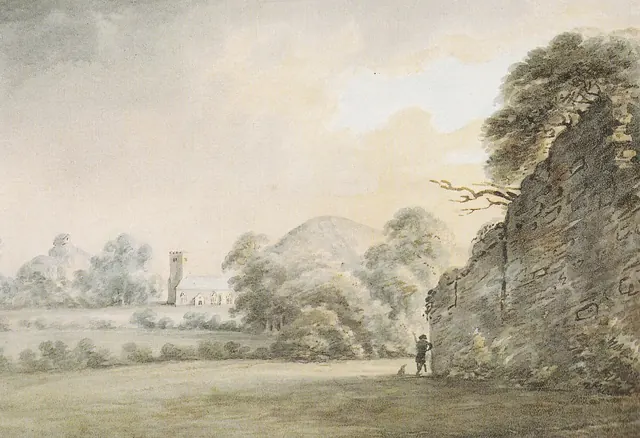
Ashburton-born clergyman and artist (1752-1821) whose illustrated journals of Georgian Devon began with a tour across Dartmoor in 1789.
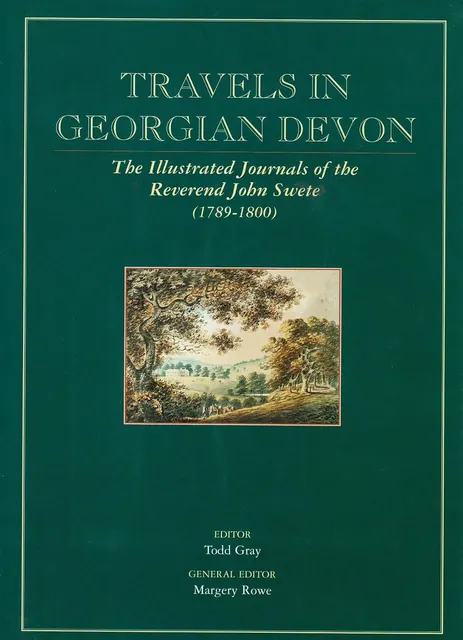
Four-volume edition (1997-2000) of the Rev John Swete's illustrated journals of 1789-1800, edited by Todd Gray and Margery Rowe. Borrow or buy only.
A walking account of Dartmoor's landscape, history, customs and antiquities between the Exe and the Tamar, illustrated by A. Dawson.
Somerset-born author of Seeley guides to Dartmoor, Exmoor and the rivers of Devon, 1880s-1890s.
Plymouth
Plymouth fertiliser manufacturer and antiquarian (1848-1920), first secretary of the Dartmoor Preservation Association and a leading member of the Dartmoor Exploration Committee, credited with overseeing the 1909 restoration of the Grey Wethers circles.
Victorian topographer and antiquary (1847-1928), the single most prolific chronicler of Dartmoor, author of the classic Guide to Dartmoor and a dozen other books on the moor.
Plate from Dartmoor Illustrated, page 64, 1900“the soil swampy, ever shrouded in vapour, dreary, wet and aguish, and, indeed, what other can be expected from a spot said to be placed in the midst of 40,000 acres of marshy ground .... the soil has been partially drained, and a town (Princetown) has been built .... but we believe it to be pretty ...”
Also on Our DartmoorDrizzlecombe South Row — A Bronze Age burial row of standing stones emerging from the open moorland, weathered by millennia of Dartmoor wind and rain.