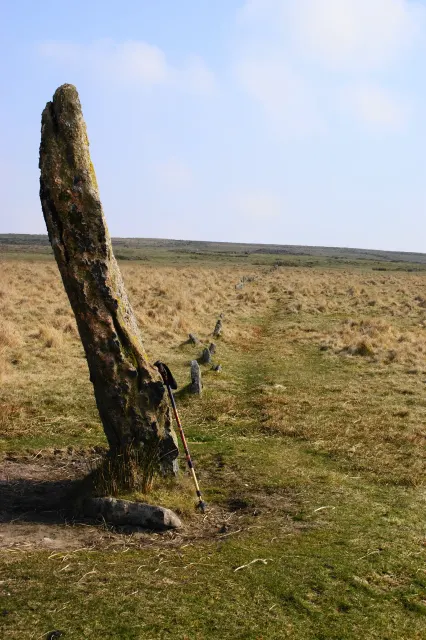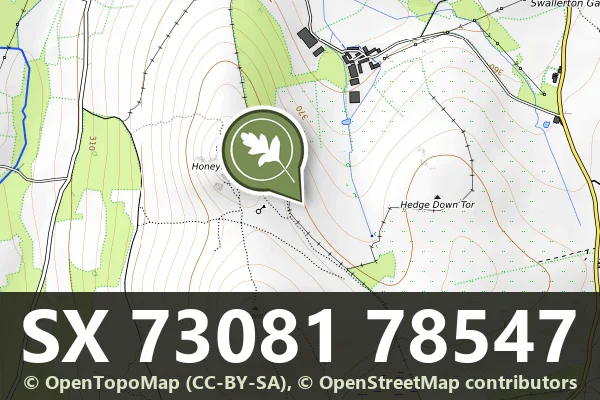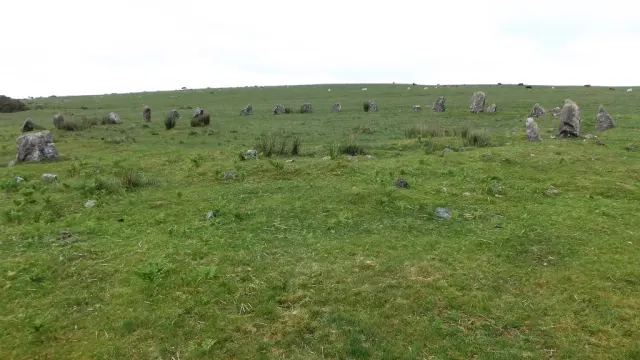
Drizzlecombe East Row
Nattor, Ivybridge
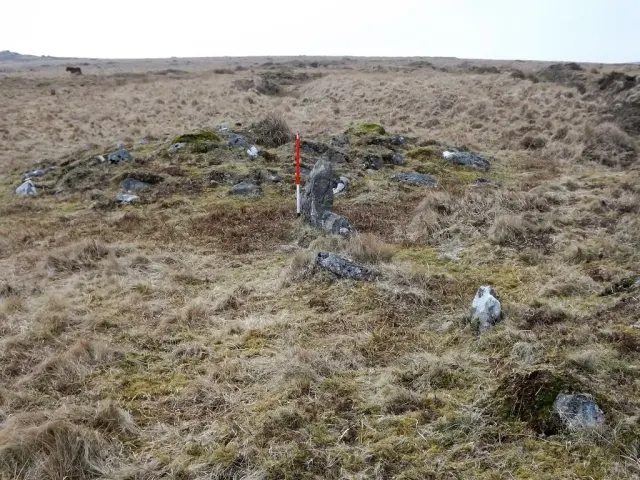
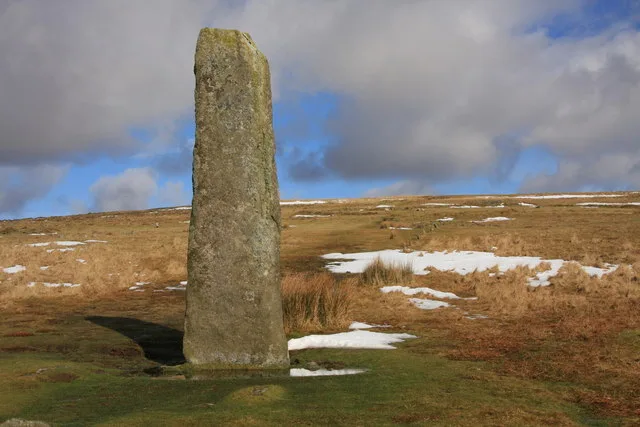
Bronze Age stone row stretching across the open moorland, its weathered granite markers still aligned after four thousand years.
Showing listings tagged “Geology and granite” Show all listings
Nattor, Ivybridge
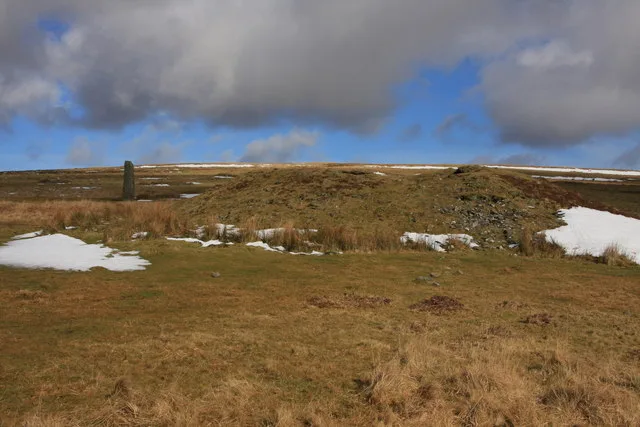
Bronze Age stone row stretching across the open moorland, its weathered granite markers still aligned after four thousand years.
Lutton, Buckfastleigh
Scattered stones on open moorland mark the foundations of a medieval chapel, a solitary place of worship in Dartmoor's high country.
Nattor, Ivybridge
An enigmatic Bronze Age basin carved into the moorland granite, its purpose still debated among archaeologists.
Mill Leat, Buckfastleigh
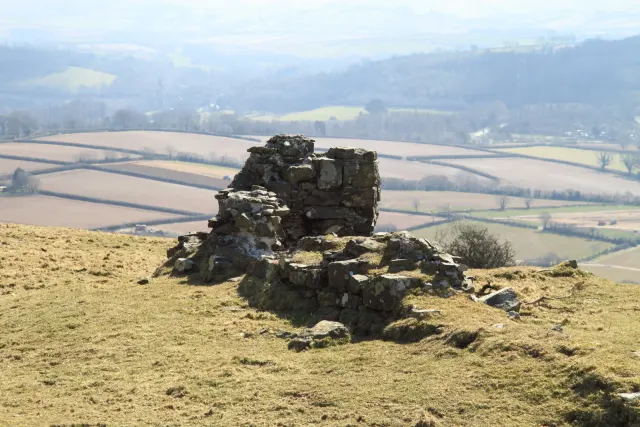
Iron Age hilltop fort with sweeping views across Dartmoor, where ancient ramparts still command the moorland skyline.
Nattor, Ivybridge
Bronze Age stone row stretching across open moorland, with weathered granite slabs aligned to ancient rhythms.
Bonehill, Moretonhampstead
Bronze Age foundations set into Dartmoor's granite bedrock, where ancient families sheltered within circles of stone.
A Bronze Age stone circle on open moorland, with weathered granite stones arranged in an ancient ritual arrangement.
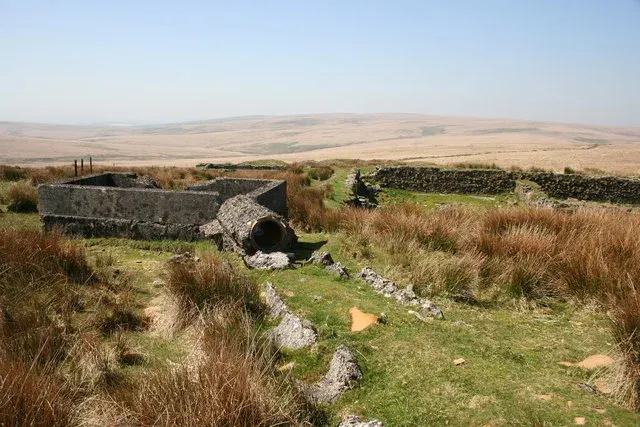
Industrial relics of Dartmoor's china clay era: Victorian settlement ponds and iron pipework carved into the moorland.
Bronze Age stone rows stretching across open moorland, their weathered granite markers still aligned after four thousand years.
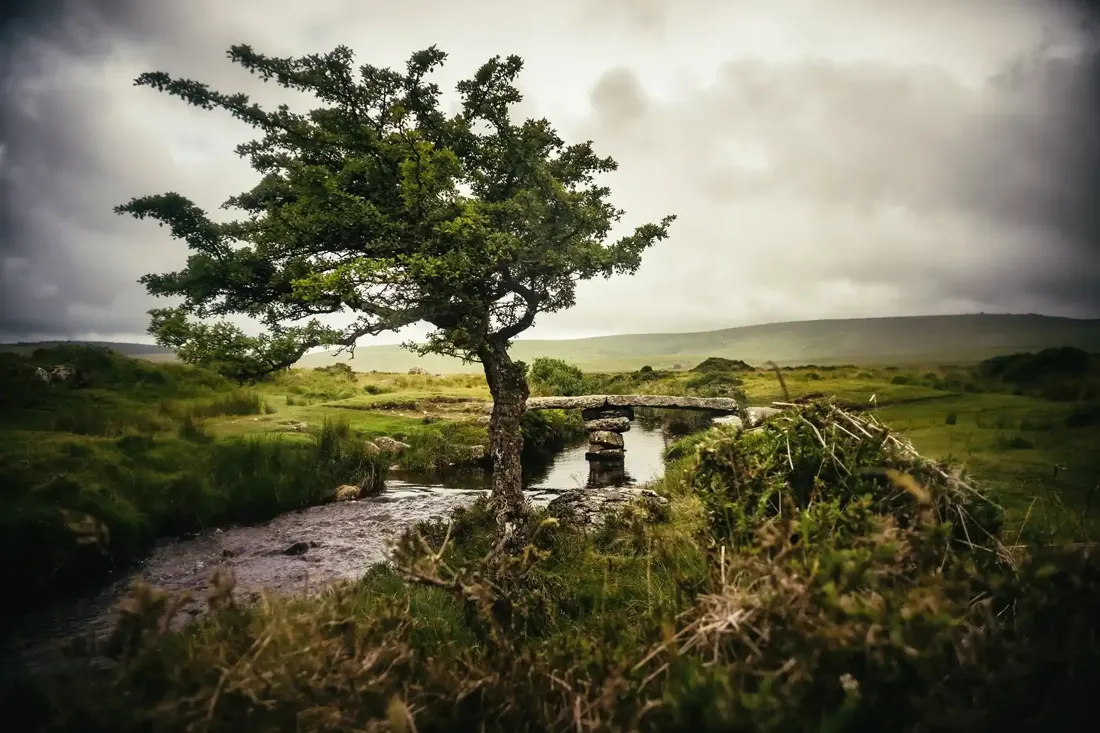
Clapper bridge at Gidleigh Common. Photograph by Glavind Strachan Photography“This shaggy monster, heather-clad, with unctuous black fen rolling ten feet thick over its granite ribs, was his God.”
Also on Our DartmoorEnclosed hut circle settlement near Leeden Tor — An oval enclosure 63 m by 55 m with six hut circles and a round water basin 9.8 m across, on the south slope of Leeden Tor.