Ditsworthy Warren House
Sheepstor
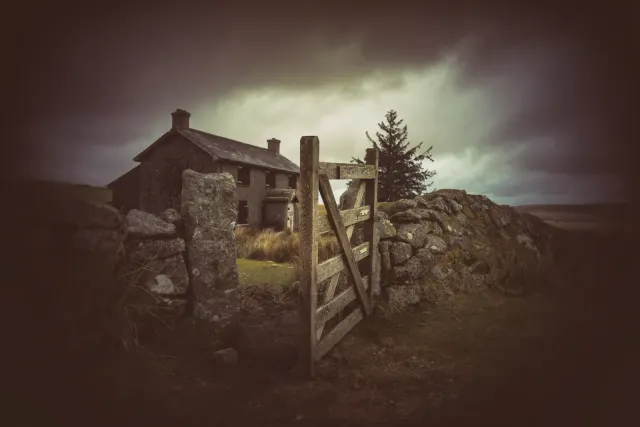
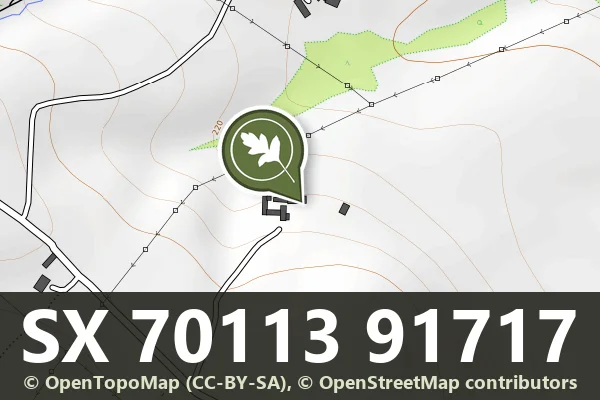
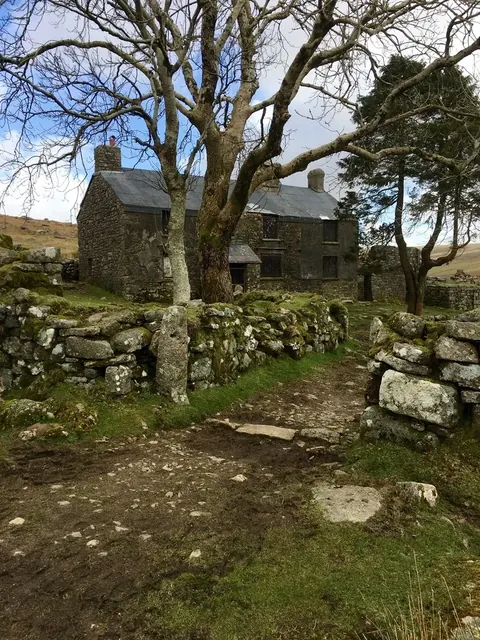
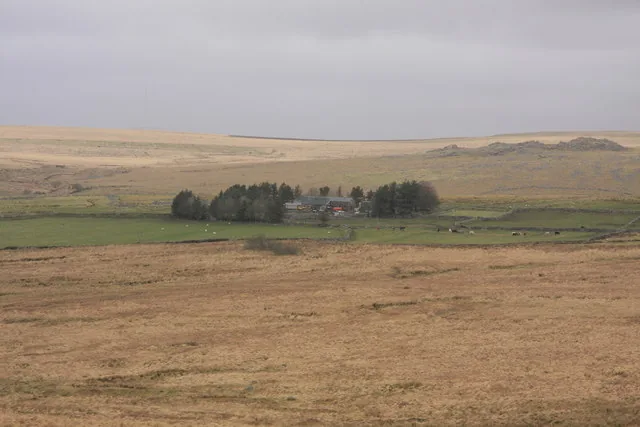
The Grade II warren house of Dartmoor's largest rabbit warren, about 220 acres with over 50 pillow mounds, in the Plym valley.
Showing listings tagged “Farmhouse” Show all listings
Sheepstor
The Grade II warren house of Dartmoor's largest rabbit warren, about 220 acres with over 50 pillow mounds, in the Plym valley.
South Brent
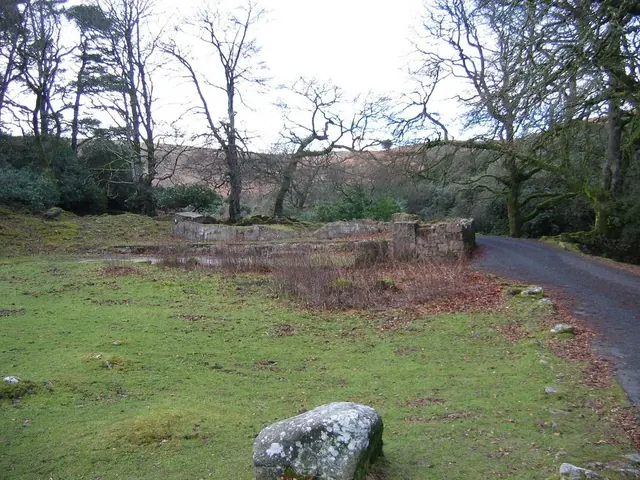
The site of a demolished Victorian mansion beside the River Avon, once a 17th-century farmstead, a hunt master's lodge and a youth hostel; blown up in 1968.
“The only signs of life are the furry inhabitants of the warren, and, perchance, a herd of Dartmoor ponies, wild as the country over which they roam, and a few sheep or cattle grazing on the slopes.”
Who wrote this?
Trowlesworthy, Shaugh Prior
Early 19th-century farmhouse on Trowlesworthy Warren, also known as the Warren House: a private farm on National Trust land and the opening scene of The Three Brothers.
Nuns Cross Farmhouse
A brief history of Nuns Cross Farmhouse on Dartmoor,
Princetown
A remote farmstead south of Princetown: first built after an 1870 Duchy lease to John Hooper, rebuilt as the present house in 1901, now a school-run bunkhouse.
A Grade II* listed farmhouse on Dartmoor, likely medieval in origin with later additions, set in the moorland landscape.
A Grade II* listed farmhouse with its front garden wall, standing on Dartmoor with roots in the post-medieval farming tradition.
A grade II* listed farmhouse with surviving garden walls, likely medieval or early modern in origin, standing on Dartmoor's slopes.
A Grade II* listed farmhouse on Dartmoor, a substantial rural dwelling with roots in the medieval period and evidence of later development.