
← Browse Prehistoric Settlements · Browse the directory
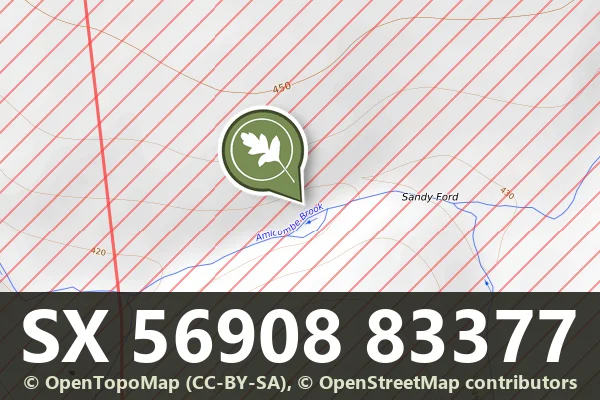
Five hut circles, Watern Oke
Grid ref: SX 5690 8337 Find this on the Map Reference Finder
Watern Oke holds the remains of five hut circles, part of a Bronze Age settlement that belonged to the open moorland communities of prehistoric Dartmoor. These are unenclosed dwellings, scattered across the landscape without the defensive walls that characterise some later settlements. The hut circles are low stony rings visible on the ground today, marking where roundhouses once stood.
The site sits in the working moorland that has changed little in character for thousands of years. It is a place to stand and sense the deep time of Dartmoor, the choices made by ancient people about where to live and work in this high country. The stones remain, weathered and humble, part of the fabric of the moor.
Historic England listed designation: Five stone hut circles forming part of an unenclosed settlement at Watern Oke
Contact us if you have information about this listing


Official record
Explore the area
Go deeper with Dartefacts
Dartefacts is a database of Dartmoor sites with far more close-up detail than we can show here, and it is the best place to go deeper. Dartefacts is free to use, and nobody has to pay to look things up. If you want more, a yearly subscription adds 10-figure grid references, map zoom down to 1:25,000 and lists to tick off the places you have visited, and it helps keep the site going. We would encourage you to subscribe.
Thoughts
Be the first to share a thought about Five hut circles, Watern Oke.
Share a thought Plate from A Hundred Years on Dartmoor, page 95, 1901
“Somewhere in the heart of the great Grimpen Mire, down in the foul slime of the huge morass which had sucked him in, this cold and cruel-hearted man is forever buried.”
Also on Our DartmoorHut circles on Heatree Down — A partly enclosed hut settlement on Heatree Down: a round enclosure 58 m across with seven huts, and huts outside it, partly dug in 1968.
Know another Dartmoor place, tor or landmark we should include? Suggest a listing, it is free.
Suggest a listing