Decades of psychology says that people make way better things when they make them for the love of it. William Crossing, Linus Torvalds and Vivian Maier all did. Our Dartmoor is built the same way, which is why it does not matter whether it succeeds.
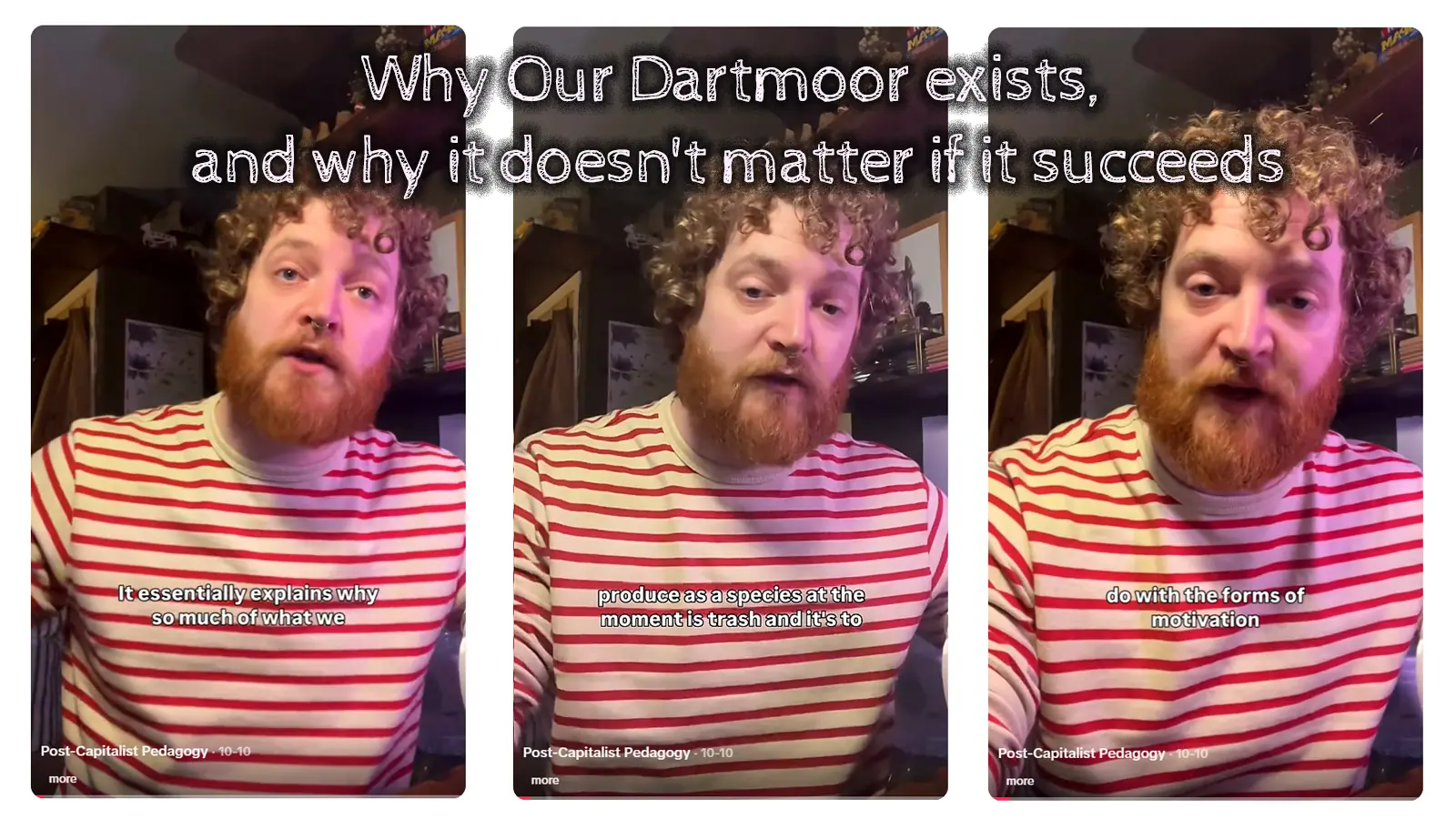
A video that explained a lot
I've got into the habit of doomscrolling on TikTok, and although that platform isn't as good as it once was, it's still a useful source of inspiration now and again. If I spot something that piques my interest, I bookmark it and try to come back to it at a later date - sometimes a "much" later date, but I do try.
Recently a TikTok by @post.capitalist.pedagogy watch the video splits human motivation into two camps. Intrinsic motivation comes from inside: you hike because you love hiking. Extrinsic motivation comes from outside: you hike to get fitter, or to prove how many mountains you have done. From the outside the two look the same, which is his point. His claim is that when the reason shifts from the doing to the payoff, what we make gets worse, because we stop taking risks.
You're going to do exactly what is necessary to attain that extrinsic motivator and nothing more.
He points to Alfie Kohn's book Punished by Rewards (1993), which argues that rewards, like punishments, are ways of controlling people.
What the research actually says
The idea is obviously way older than TikTok, and the research is also way more nuanced than the video makes it sound (it is TikTok after all).
- Children and drawing (1973). Lepper, Greene and Nisbett watched nursery children who already loved drawing. Those promised a certificate for drawing spent less time drawing afterwards than children who got no reward, or an unexpected one. The effect appeared only in children who already liked the activity, and the reward was simply a certificate, not cash.
- Poets (1985). Teresa Amabile asked 72 creative writers to write poems after thinking about intrinsic or extrinsic reasons for writing. Poems written after considering extrinsic reasons, such as impressing teachers or making money, were rated significantly less creative by independent poets. This study changed people's reasons; it didn't pay them.
- 128 studies (1999). Deci, Koestner and Ryan combined 128 experiments. They found that tangible, expected rewards tied to doing, finishing or performing a task reduced later free-choice interest. Verbal praise on the other hand did the opposite and increased it.
Let's be honest here
I'm using a TikTok video to get a point over here and that format dictates that it's not going to be in the same league as a Panorama documentary.
- It isn't "zero sum". The video says more extrinsic motivation "always" means less intrinsic. The research doesn't say that. The damage depends mostly on the kind of reward (expected, tangible, controlling) and on the person.
- The research fields still argue. Cameron and Pierce (1994) concluded the harm was limited and avoidable, and Deci's team claim that their analysis was flawed. It is a real finding with a real argument around it, not a law set in stone.
My argument is that stuff done for the sheer hell of it, is reward itself.
People who made lasting things for the love of it
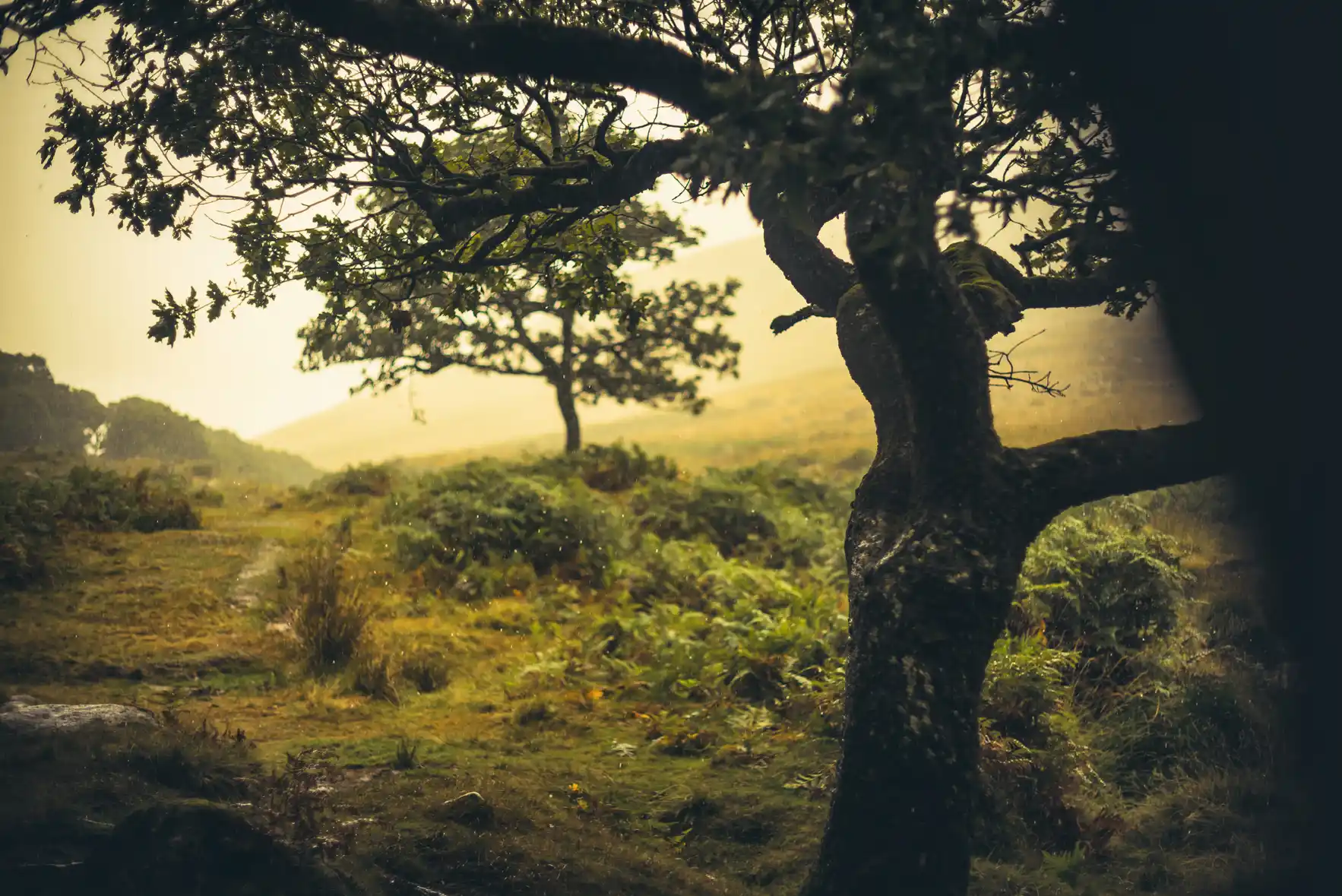
William Crossing (1847-1928) walked Dartmoor for decades, sometimes setting out at daybreak and not returning until after midnight, and wrote the Guide to Dartmoor (1909). One account says he resolved to earn a living by writing about the moor and barely earned enough to get by. His Guide is still described as the definitive survey of the moor.
Linus Torvalds announced the operating system kernel that became Linux in 1991 as "just a hobby", and later titled his memoir Just for Fun (2001, with David Diamond). Linux now runs a large part of the internet.
Vivian Maier worked as a nanny in Chicago for about forty years and took somewhere between 100,000 and 150,000 photographs that she kept private. They were bought at auction in 2007, two years before she died, and are now shown in major cities. She never needed an audience to make them.
None of these were built to succeed. They were built because the work was the point.
Where Our Dartmoor fits
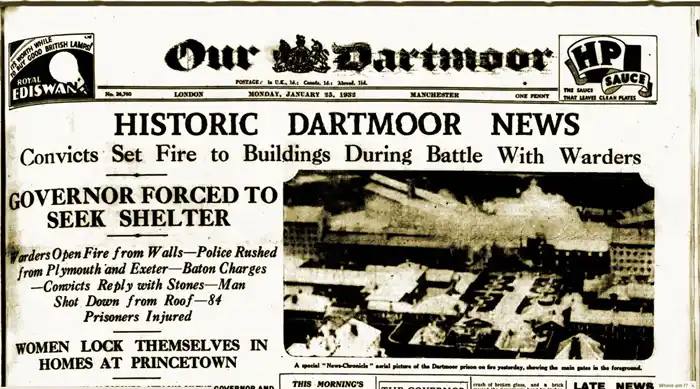
Our Dartmoor was built because a place deserved a decent directory, a map and a record, and nobody with a reason to do it for money was going to do it properly. It carries no adverts and does not track visitors. Every listing, quote and photograph is there because I found a reason for it to belong, not because it earns anything. It's all being built with the help of AI, openly, partly because that is the only way one person (without a mass of cash - either inherited or as some grant awarded becasue I knew the right people) can make something like this work and partly because although I have described myself as a luddite on numerous occasions (and will ocntinue to do so) - I do not think that destroying the machines which "could" have made life better was the correct action - destroying the structures that "will" make life worse is the correct action.
That is why it does not matter whether it succeeds. If it were measured by visitors, income or followers, every decision around the website build would bend toward those numbers, and all the research suggests the work would get worse for it.
Judge it by whether it is accurate, kind to the people listed and true to the moor, then it's already succeeding. If people do come, good. Crossing's papers outlived him and I claim nothing as grandiose in my endeavour.
I started to take photographs of Dartmoor (seriously) when I lived close by and it satisfied both my desire to get out and enjoy the outdoors as well as rebuilding my enjoyment of photography something that I'd lost when I realised (way back when there was only film and darkrooms) that to become a well paid photographer required a very deep pocket or the stoic nature required to take wedding photos - neither of which I had.
Fast forward to a few years ago and plenty of people were encouraging me to do markets and to build a website "Your photos are so good" etc etc etc (and it wasn't just my mum!)
Never being one to believe the "Build it and they will come" ethos, I was loathe to attempt any of these things, and; in truth; I wish I'd gone with my gut instinct!
I'm building this website becasue it needs doing - or at least I feel that it needs doing - you can help, or you can walk away.
Please contribute if you feel that you are not worthy.
Please add your thoughts and ideas if you feel that you are not listened to.
If you find yourself in the very priveleged position of only having criticism to share then please take a running jump into a bog😂
Further reading
Primary research
- Lepper, M. R., Greene, D., & Nisbett, R. E. (1973). Undermining children's intrinsic interest with extrinsic reward: a test of the "overjustification" hypothesis. Journal of Personality and Social Psychology, 28, 129-137.
- Amabile, T. M. (1985). Motivation and creativity: effects of motivational orientation on creative writers. Journal of Personality and Social Psychology, 48(2), 393-399. https://pages.pomona.edu/~ajr04747/fall2008/math58/papers/amabile_1985_psp-48-2-393.pdf
- Deci, E. L., Koestner, R., & Ryan, R. M. (1999). A meta-analytic review of experiments examining the effects of extrinsic rewards on intrinsic motivation. Psychological Bulletin, 125(6), 627-668. https://home.ubalt.edu/ntygmitc/642/Articles%20syllabus/Deci%20Koestner%20Ryan%20meta%20IM%20psy%20bull%2099.pdf
- Cameron, J., & Pierce, W. D. (1994), the rival meta-analysis, and Deci et al.'s reply in the 1999 paper above. [CHECK: exact Cameron and Pierce citation before printing]
- Ryan, R. M., & Deci, E. L. (2000). Self-determination theory and the facilitation of intrinsic motivation, social development, and well-being. American Psychologist, 55(1), 68-78. https://selfdeterminationtheory.org/SDT/documents/2000_RyanDeci_SDT.pdf
Books, people and the video
- Kohn, A. (1993). Punished by Rewards: The Trouble with Gold Stars, Incentive Plans, A's, Praise, and Other Bribes. Boston: Houghton Mifflin. Kirkus review
- William Crossing: Wikipedia and Devon Perspectives, "On William Crossing".
- Torvalds, L., & Diamond, D. (2001). Just for Fun: The Story of an Accidental Revolutionary. HarperCollins. NPR, 4 June 2001; the 1991 announcement is dated in TechCrunch, "Great Moments in Linux History".
- Vivian Maier: Artsy and Fstoppers.
- @post.capitalist.pedagogy, TikTok video on intrinsic and extrinsic motivation. watch the video