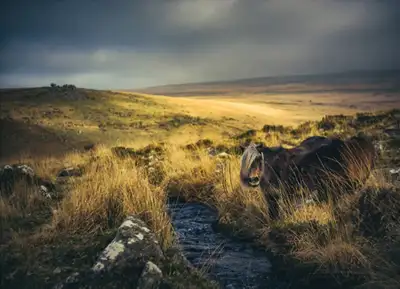
Photo © Martin Wyatt, CC BY-SA 2.0, via Wikimedia Commons
Shaugh Prior
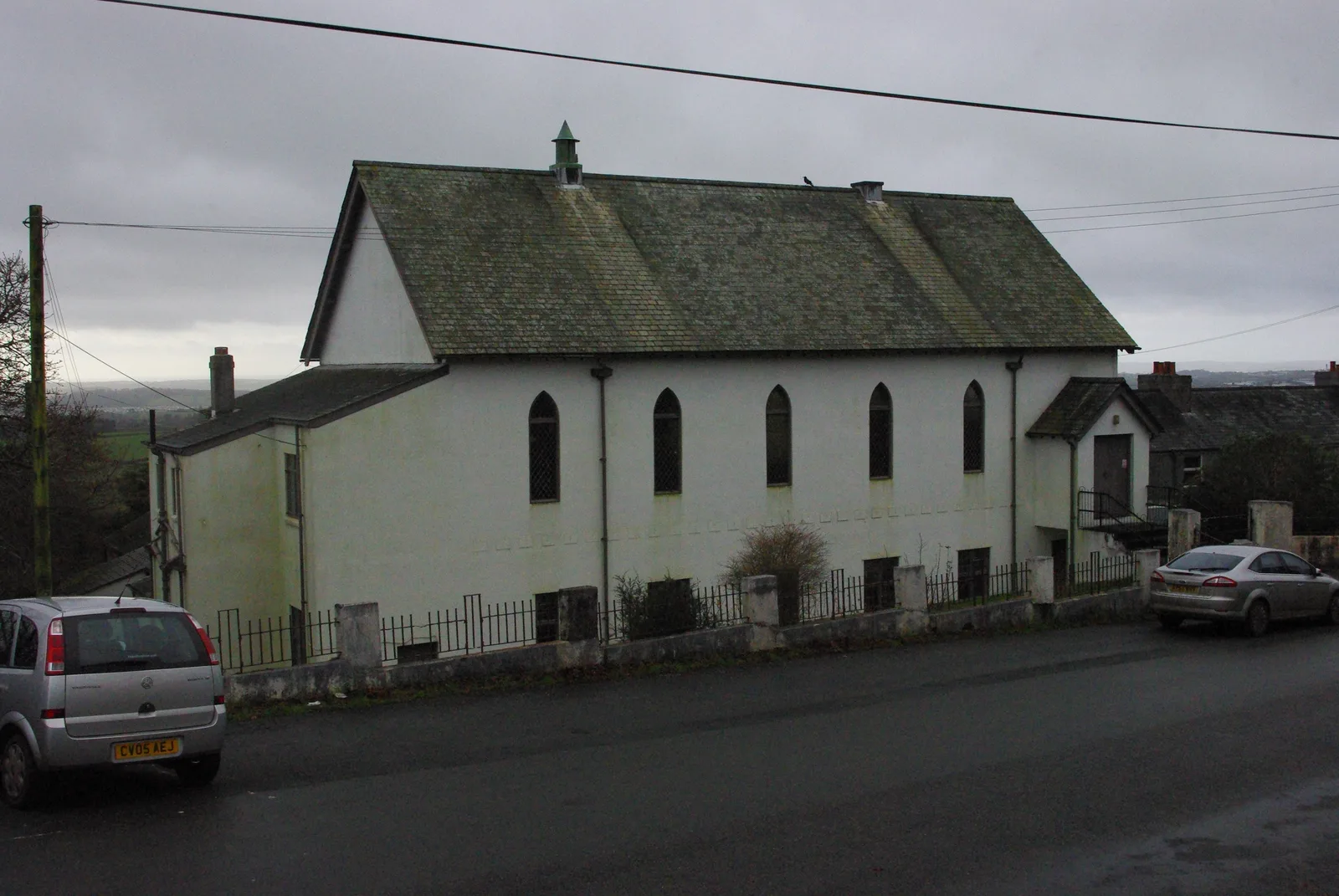
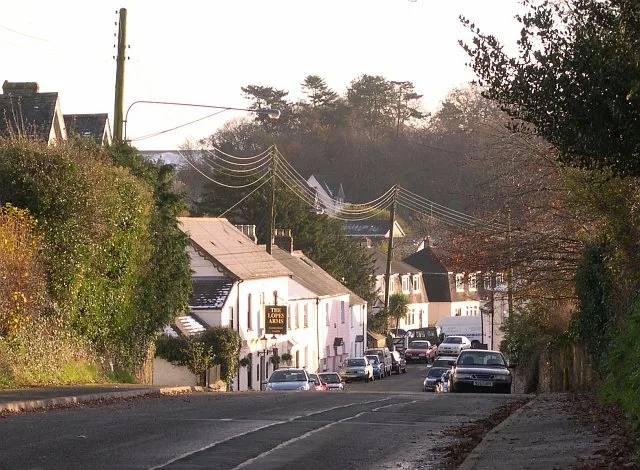
Shaugh Prior is a village and civil parish on Dartmoor's south-western edge. The Domesday Book of 1086 records it as Escaga, from an Old English word for rough woodland, and 'Prior' was added because of the church's link with Plympton Priory. The parish history gives a population of 554 in 1851 and 783 in 1906.
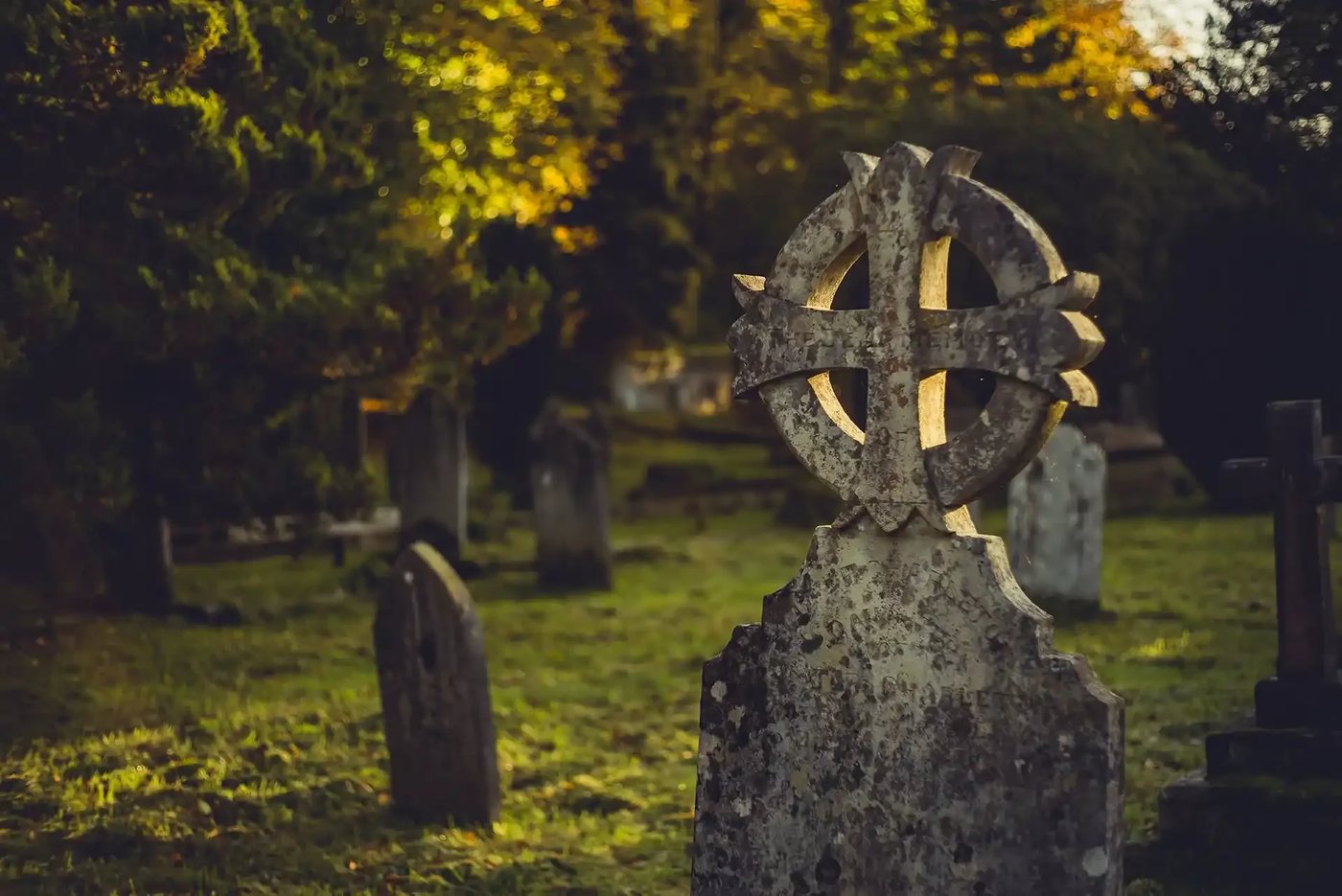
St Edward's church is the oldest surviving building in the parish, grade I listed, built in stages between the 14th and 16th centuries, with a three-stage granite tower. It has an octagonal porphyry font with a carved 15th century wooden cover, and a medieval altar slab with five small crosses set in the south aisle floor. The rood screen is gone but the stair to the loft remains.
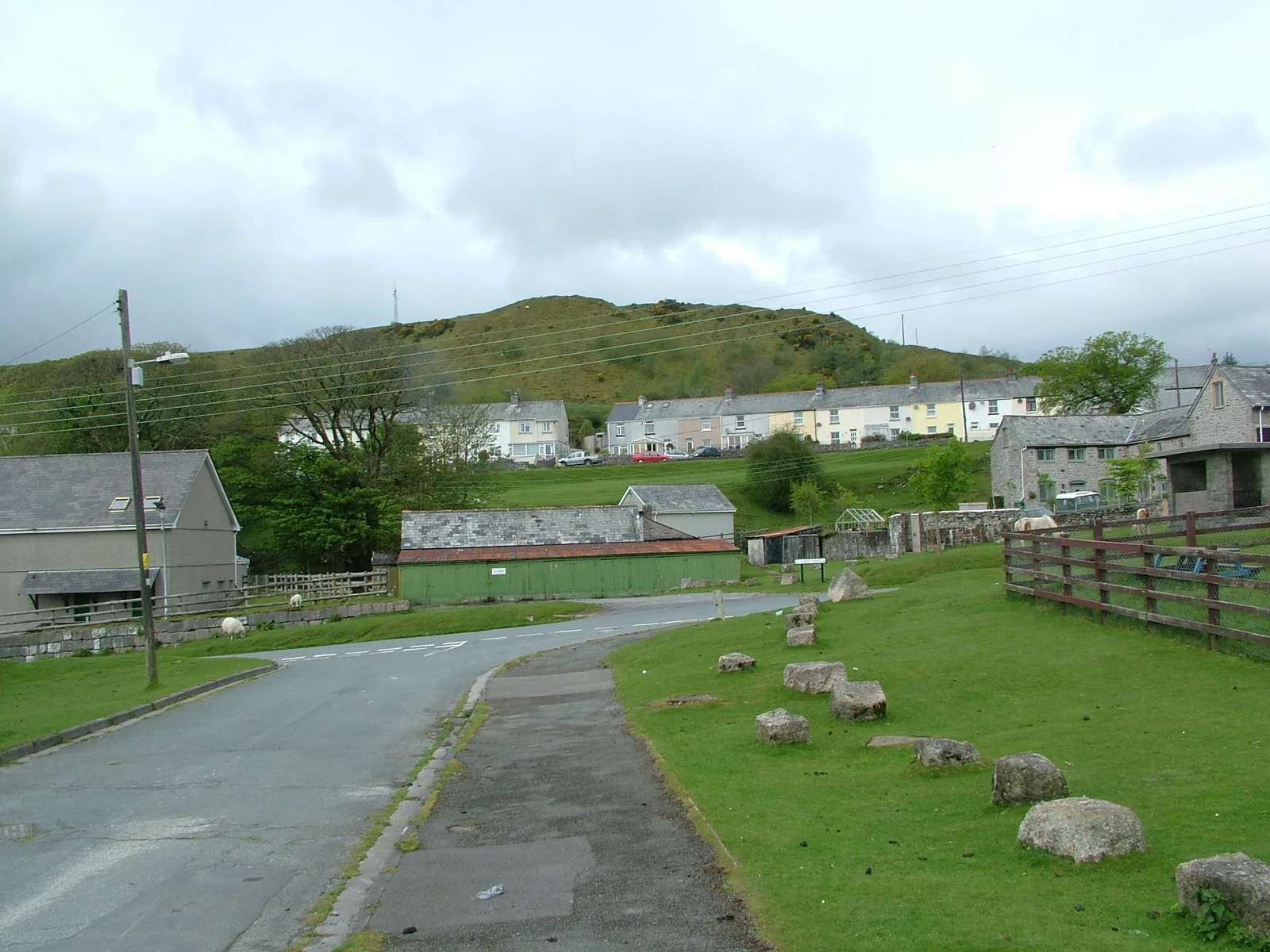
Lee Moor, in the parish, is first named as Leigh Moore in 1695. John Warrick made one of the earliest china clay discoveries at Whitehill Tor in 1827, Kelly's Directory lists five clay works there by 1883, and about 400 people worked at the Lee Moor clay works in 1913. Iron was mined briefly from 1870 to 1874. A pipeline of ceramic and cast iron pipes carried clay in suspension about two miles to the Shaugh Bridge works, and parts of it can still be seen beside footpaths. The railway reached the parish in 1859.
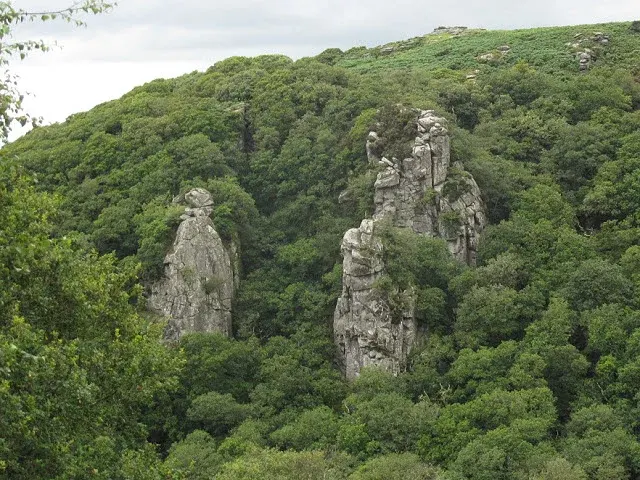
The Dewerstone is a rocky promontory above the Plym, usually described as an Iron Age hill fort, though Legendary Dartmoor says early defences may be wrongly dated, and a Bronze Age pottery cup was found there in 1960. Its granite was quarried, partly for Blackfriars Bridge, and it now has over 100 climbs listed. The folklore has Dewer, a huntsman on a black horse with black hounds, driving travellers over the edge. Nobody has dated that story.
Shaugh Prior on the map
In Shaugh Prior
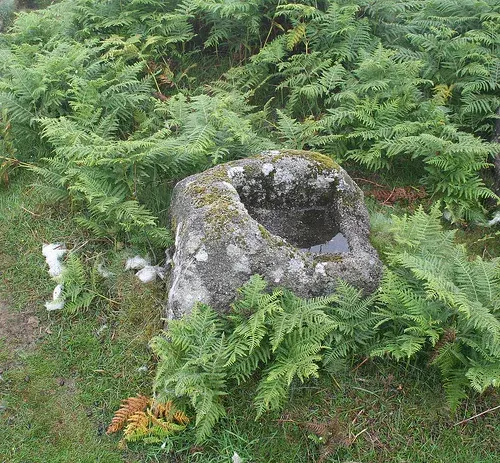
Beatland Corner socket stone
Shaugh Prior, Plympton
A granite socket stone, 0.73 m by 0.63 m, with a neat rectangular socket, 22 m north of Beatland crossroads on the medieval route north from Plympton.
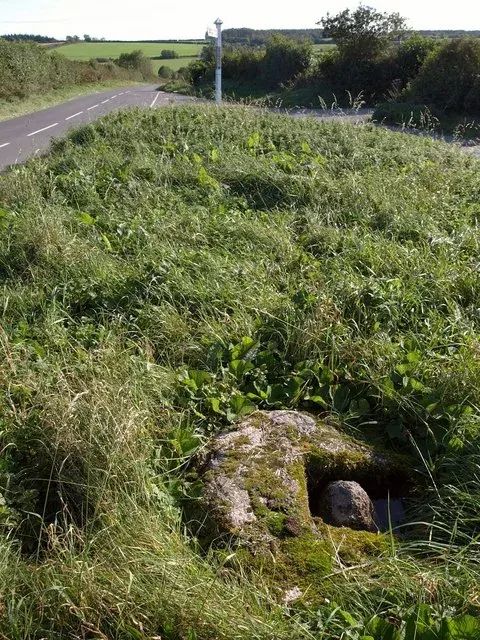
Browney Cross socket stone (Shaugh Prior)
Shaugh Prior
The octagonal granite socket stone of a lost wayside cross at a lane junction between Plympton and Shaugh Prior, listed Grade II.
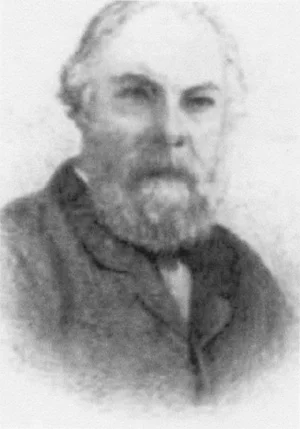
John William Inchbold
Shaugh Prior
Leeds-born landscape painter (1830-1888) whose 1854 picture The Moorland shows the Dewerstone above the River Plym. It is now in the Tate, and Ruskin praised a picture of that title at the 1855 Royal Academy.
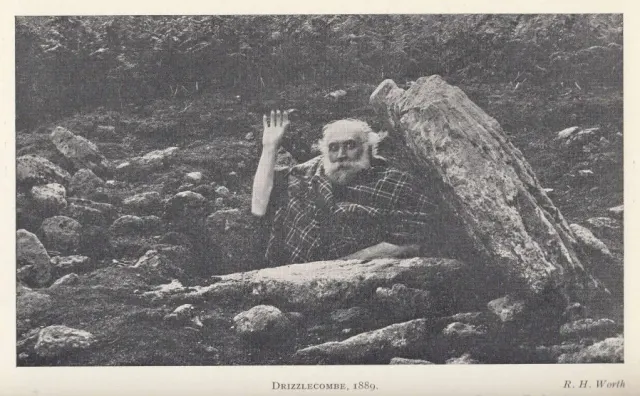
Richard Nicholls Worth
Shaugh Prior, Plymouth
Plymouth journalist, geologist and historian (1837-1896), author of histories of Devonport, Plymouth and Devon.

River Plym
Shaugh Prior
The River Plym is a river in Devon, England. It runs from Dartmoor in the centre of the county southwest to meet the River Meavy, then south towards Plymouth Sound. The river is popular with canoeists, and the Plym Valley Railway runs
Shaugh Prior Parish Council
Shaugh Prior, Plymouth
The parish council for Shaugh Prior, Wotter and Lee Moor, on Dartmoor's southwestern edge.
Shaugh Woods
Shaugh Prior, Plymouth
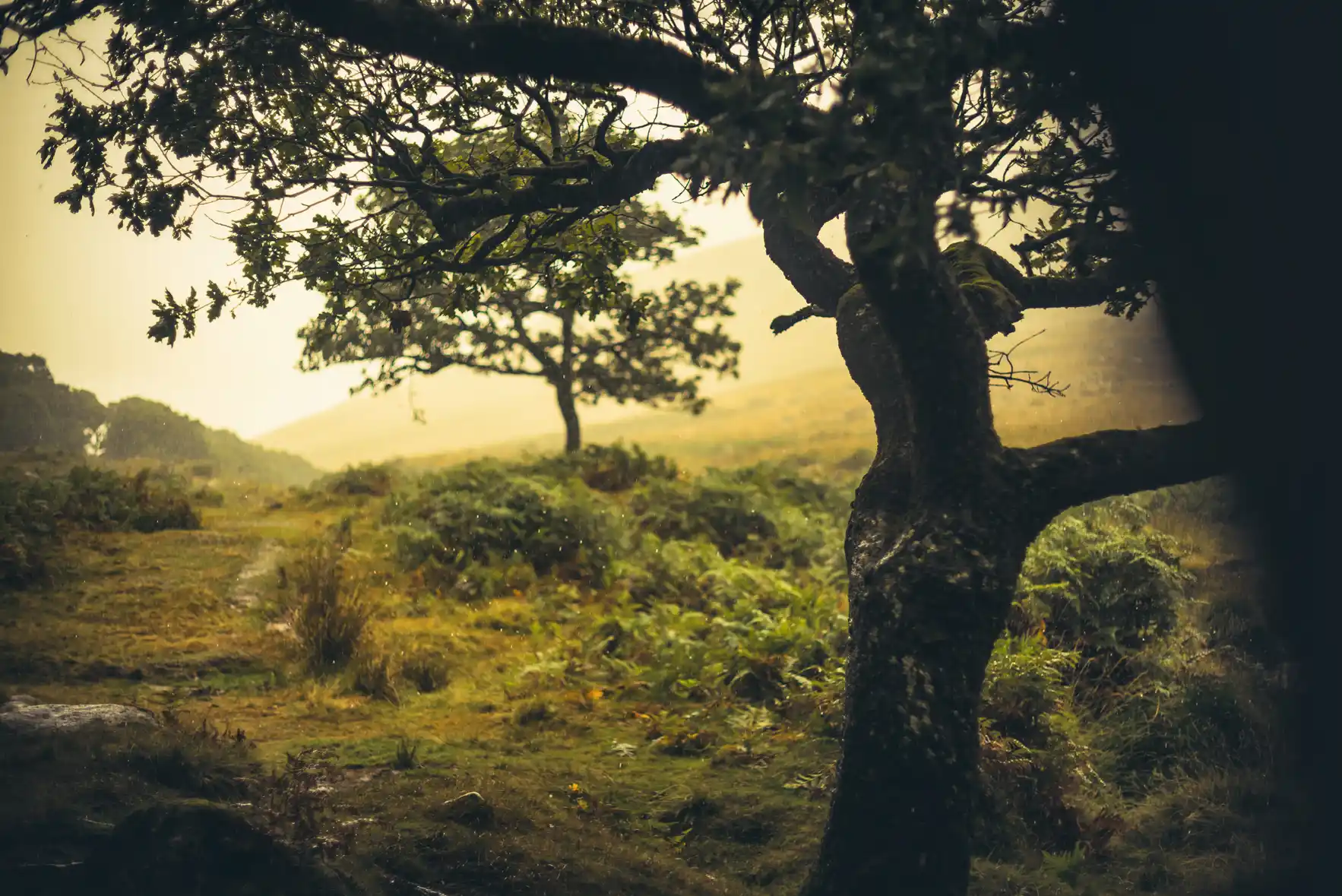
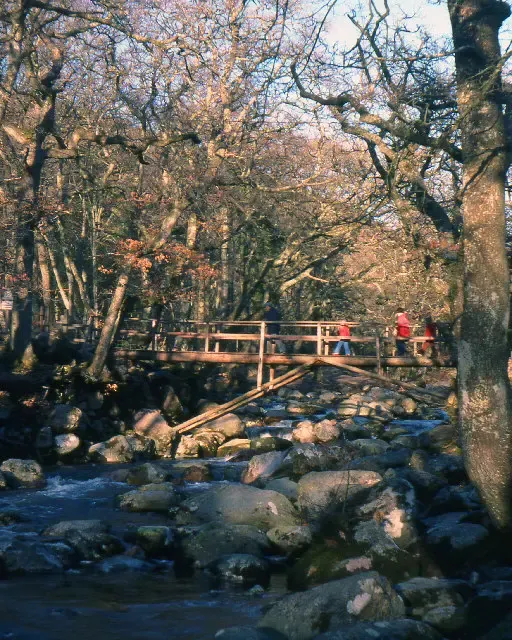
National Trust ancient oak woodland in the Plym and Meavy valleys near Shaugh Prior, a Site of Special Scientific Interest for its moss and lichen diversity, with 19th-century mining remains and an Iron Age hillfort around the Dewerstone.