High Dartmoor: Land and People
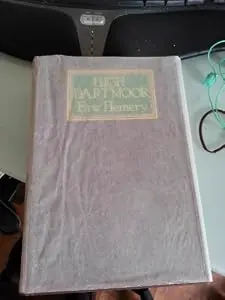
Eric Hemery's monumental 1983 topographical and historical survey of Dartmoor, still regarded as the standard work on the moor.
Showing listings tagged “Geology and granite” Show all listings
Eric Hemery's monumental 1983 topographical and historical survey of Dartmoor, still regarded as the standard work on the moor.
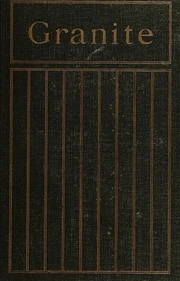
The third volume of Trevena's Dartmoor trilogy, following Furze the Cruel and Heather - published in 1909 and, in his own words, standing for the moor's enduring strength.
Pen name of Ernest George Henham (1870-1948), whose Dartmoor trilogy - Furze the Cruel, Heather and Granite - are early 20th-century novels of moorland life peopled by "strange and often grotesque characters."
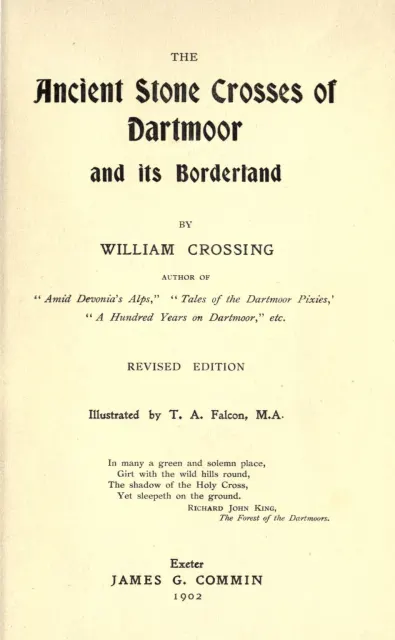
Crossing's survey of the granite waymarking crosses scattered across Dartmoor, expanded in 1902 from his original 1887 two-volume study into what he called "in great measure a new book."
Shaugh Prior, Plymouth
Plymouth journalist, geologist and historian (1837-1896), author of histories of Devonport, Plymouth and Devon.
A Dartmoor fact about Wigford Down cross
Harford
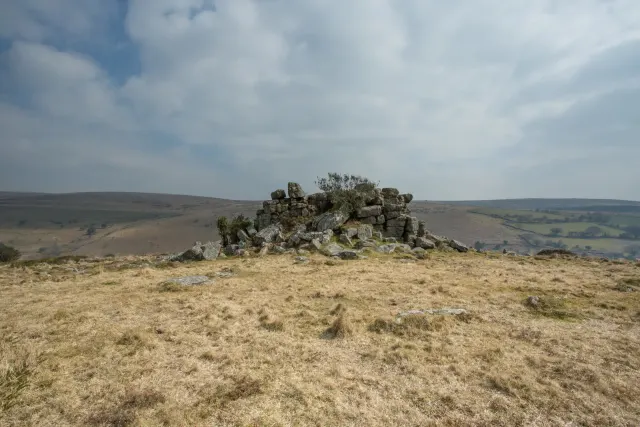
Tristis Rock, also known as Hall Tor, stands as a striking granite outcrop near Harford. Perched above the River Erme, it offers a commanding view of the surrounding landscape, including Stalldon and other nearby tors.
Lustleigh
Bullaton Rock is a granite peak located near Lustleigh, best viewed from below. It offers grand views over the Wray Valley, though access is now private.
Moretonhampstead
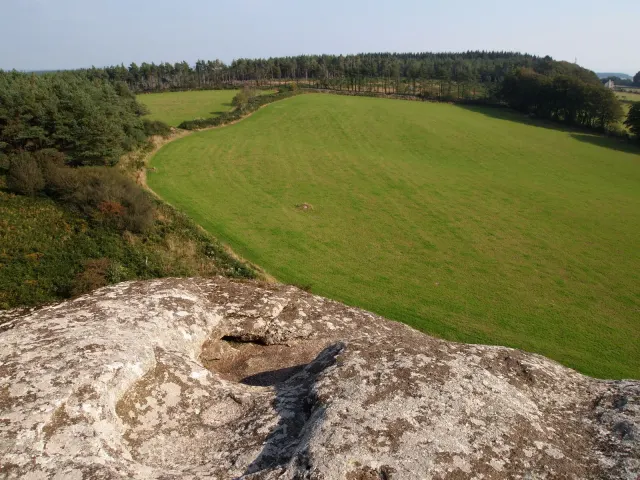
Blackingstone Rock, also known locally as 'Blackystone', is a prominent granite outcrop visible from miles around. It stands near Moretonhampstead and features a series of steps leading to its flat summit, where rock basins have formed.
Haytor Vale, Bovey Tracey
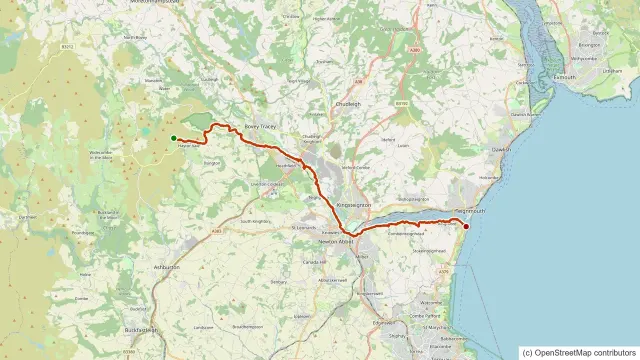
The Templer Way follows the old granite trade route from the Haytor quarries down off the moor to the sea at Teignmouth.