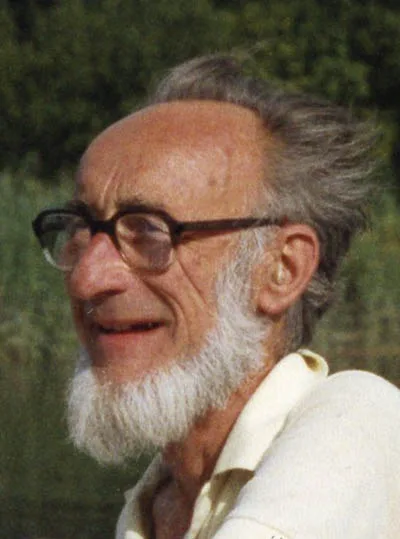
John Hayward
Dartmoor writer, retired headmaster and botanist (1922 to 2003), whose guide Dartmoor 365 divides the national park into its 365 square miles.
Showing listings tagged “Dartmoor history writers” Show all listings
Dartmoor writer, retired headmaster and botanist (1922 to 2003), whose guide Dartmoor 365 divides the national park into its 365 square miles.
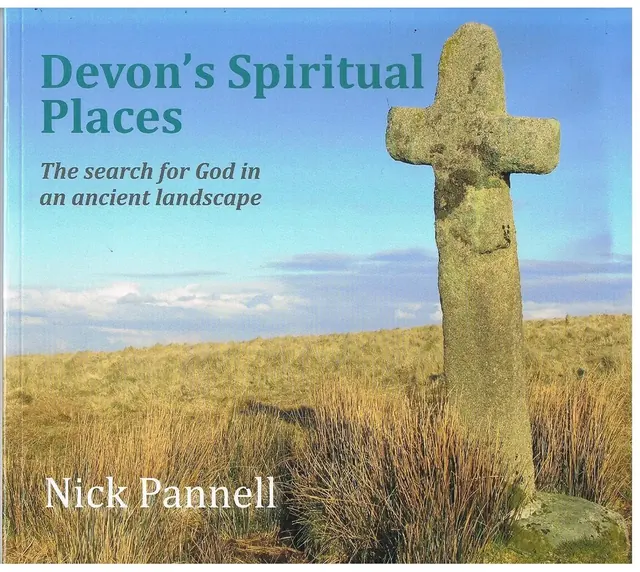
Nick Pannell's short illustrated book (84 pages, 2016) on the spiritual places of Devon and the search for God in an ancient landscape; the cover shows a Dartmoor stone cross.
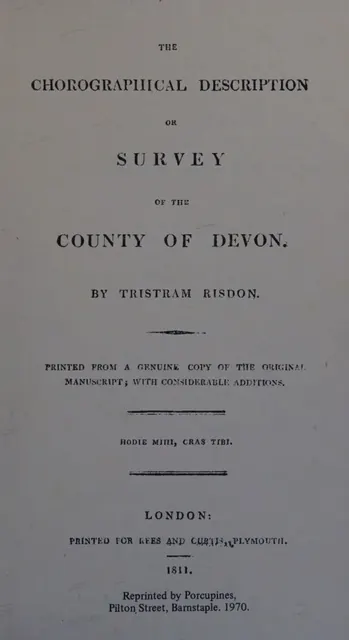
Devon antiquarian and topographer (about 1580 to 1640), author of the Survey of the County of Devon and a note-book of genealogy and heraldry.
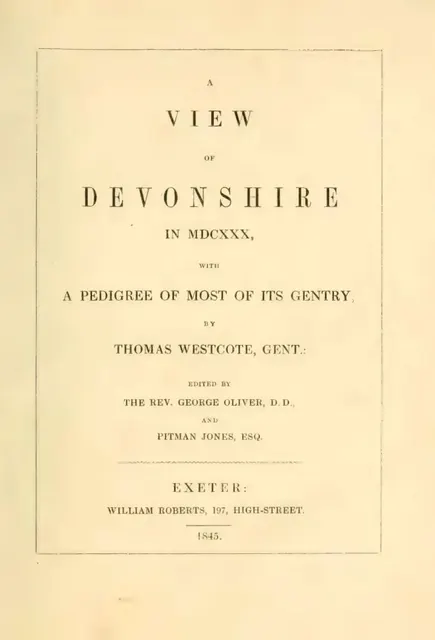
Thomas Westcote of Raddon, Shobrooke: seventeenth-century Devon historian and topographer, author of A View of Devonshire in MDCXXX.
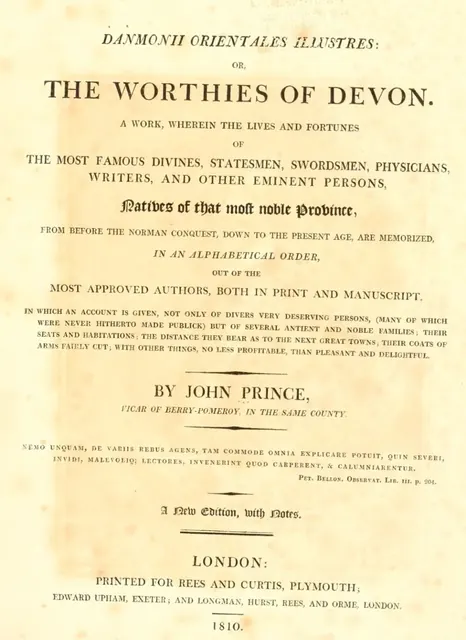
Vicar of Totnes and of Berry Pomeroy (1643 to 1723), author of The Worthies of Devon.
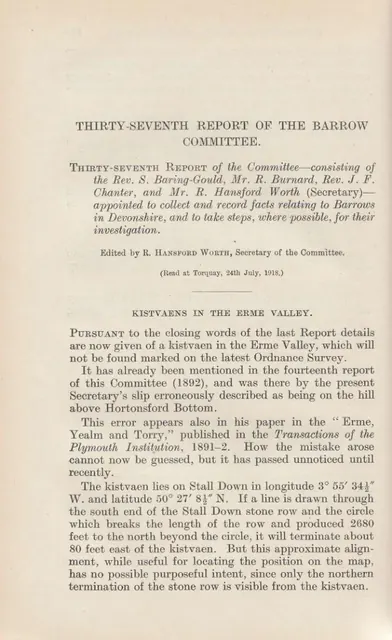
The Devonshire Association's Barrow Committee reports on barrows and other ancient remains, Nos. 37 to 73 held (1918 to 1958), mostly by R. Hansford Worth.
William Crossing's 1887 book on the old stone crosses of Dartmoor, published at Exeter by J. G. Commin.
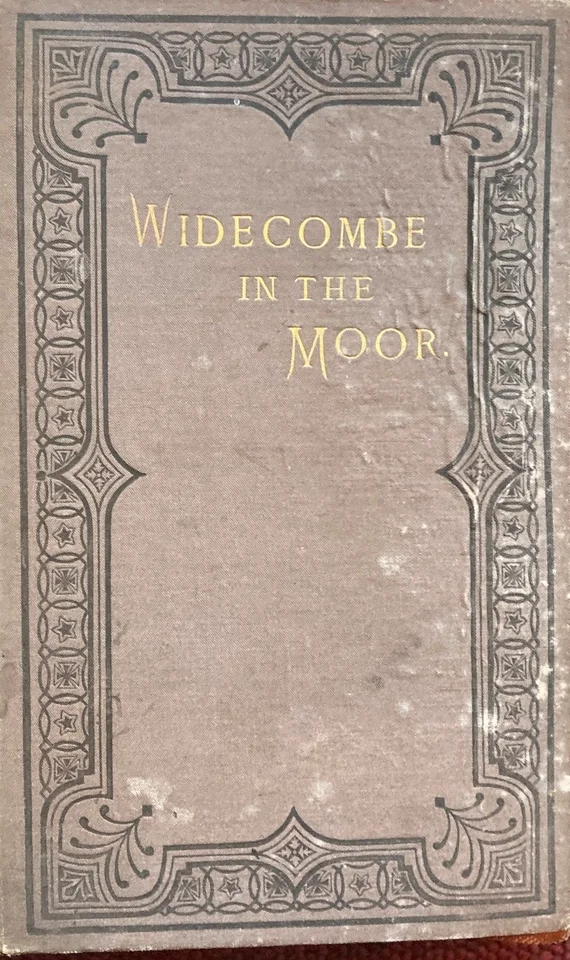
A parish book edited by Robert Dymond to raise funds for restoring Widecombe church, made up of short numbered pieces on the parish, its church, registers, parish chest and neighbourhood.
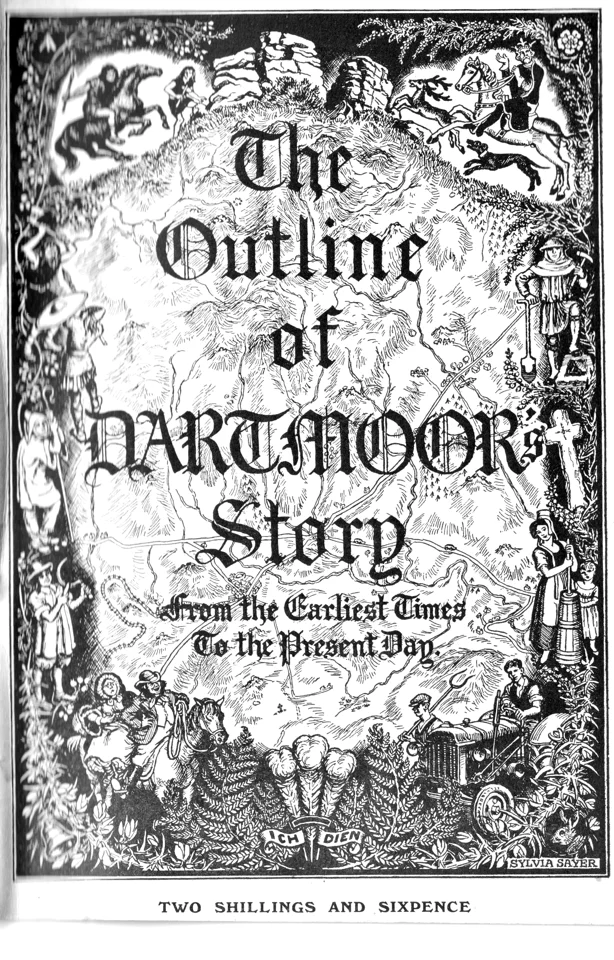
A 1951 booklet written and illustrated by Sylvia Sayer that gives newcomers to Dartmoor a bird's-eye history of the moor, from the earliest times to the present day.
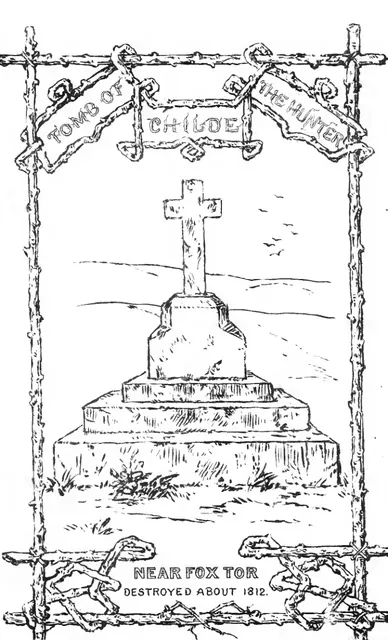
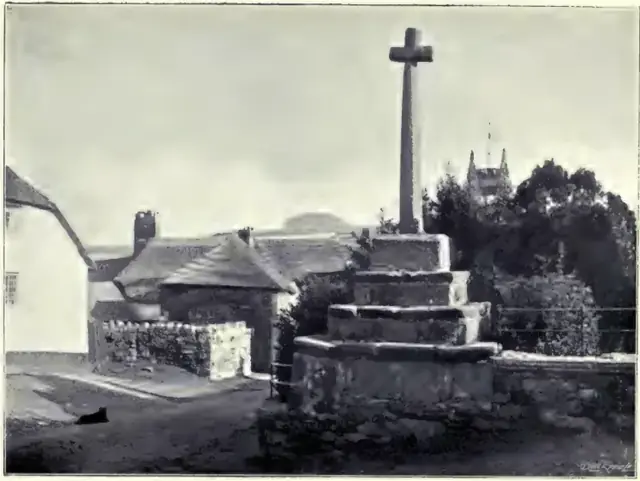
Plate from The Ancient Stone Crosses of Dartmoor and its Borderland, page 171, 1902“New toat, new waist-toat, new breeches; you proud, I proud; I shan't work any more!”
Also on Our DartmoorTinners' shelter, Cut Combe Water — A tinners' shelter 5.4 m by 2.9 m inside, a drystone wall up to 0.75 m high with an entrance gap, a recess that may be a cupboard and a raised platform, above Cut Combe Water.