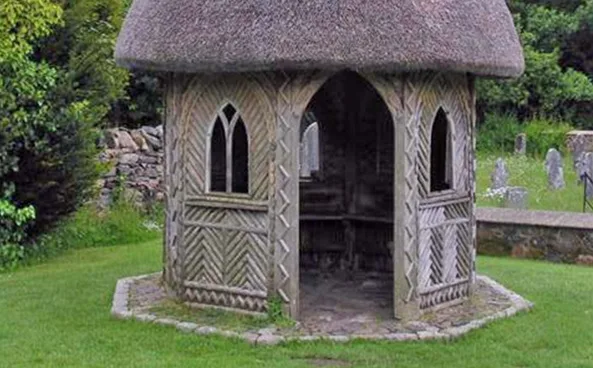
Other Heritage Sites
Quaker Burial Grounds
A hidden burial ground on Dartmoor where Quaker communities laid their dead, away from parish churchyards.


Dartmoor's archaeology and heritage - antiquities, historic buildings and museums.
A hidden burial ground on Dartmoor where Quaker communities laid their dead, away from parish churchyards.
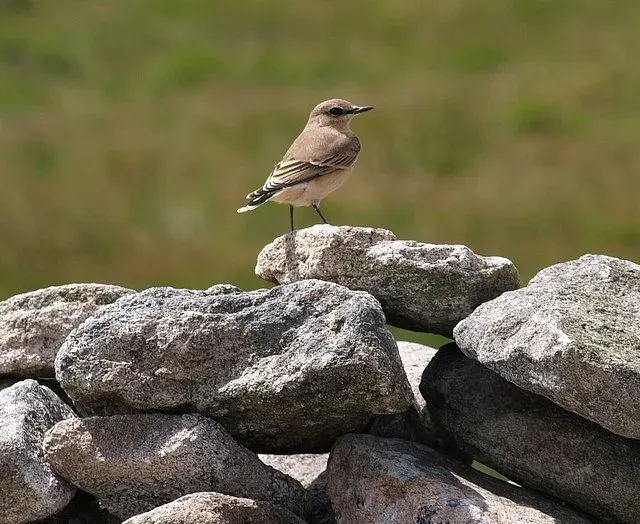
A Bronze Age cairn standing on the open moor, its stones weathered by millennia of Dartmoor wind and rain.

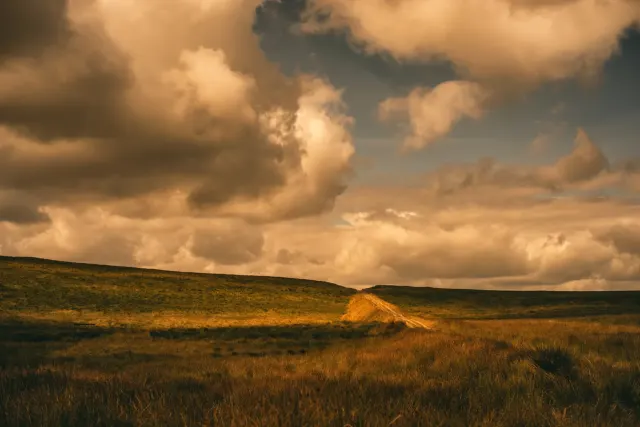
Quintin's Man, a round cairn 20.5 m across and 1.9 m high on a prominent ridge of Whitehorse Hill, with a small modern shelter built in its central pit.
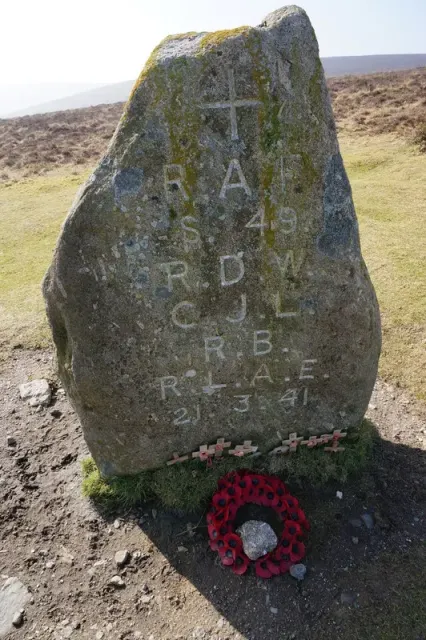
Lower Hookner, Moretonhampstead
A solemn memorial to RAF personnel who lost their lives on the high moorland during the Second World War.
Colebrook Village, Plympton
Sturdy stone supports of a Victorian railway viaduct, silent witnesses to Dartmoor's industrial past among the moorland.
In what year was the first letterbox placed at Cranmere Pool?
Scattered granite ruins of a 19th-century tin mine, now reclaimed by heather and bilberry on open moorland.
Remnants of tin mining activity scattered across Dartmoor's open moorland.
Ruins of a Victorian peat works above the Rattlebrook, served by a railway built in 1879 that hauled peat nearly 5 miles down to Bridestowe station.

A 350 m length of reave over the summit of Hingston Hill, a rubble bank 2 m wide, separating a group of ritual monuments from a large settlement.
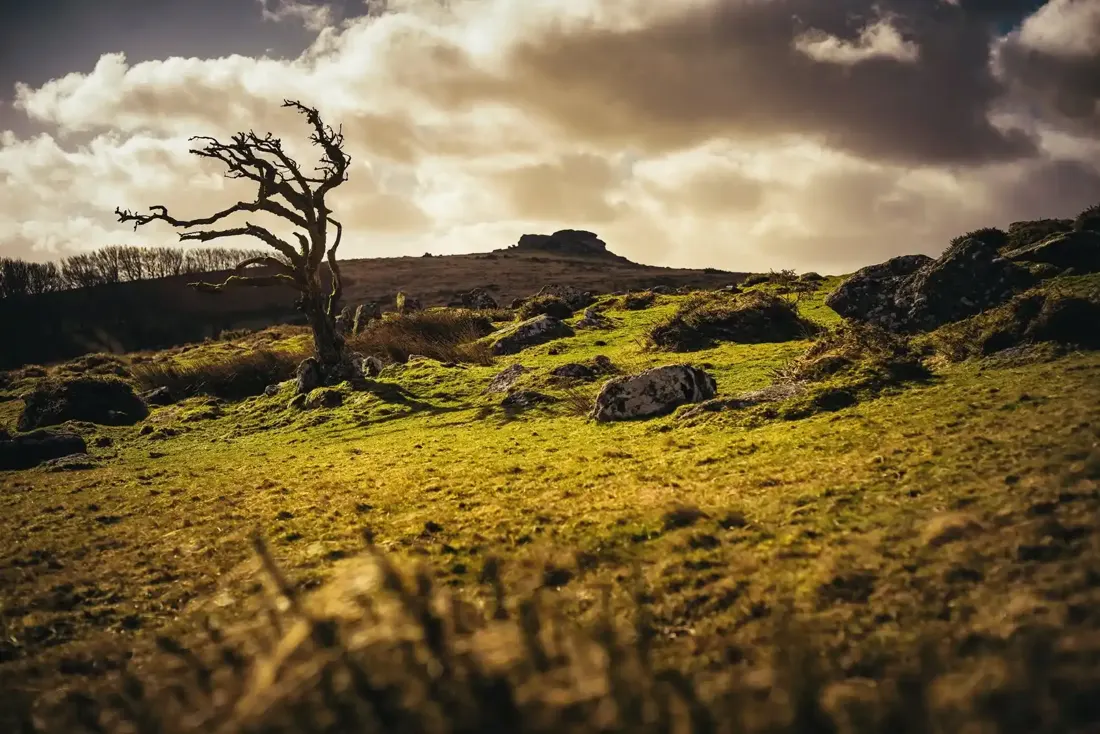 Kestor. Photograph by Glavind Strachan Photography
“'T is an ancient rite, auld as cider—maybe auld as Scripture, tu, for anything I've heard to the contrary," said Mr. Lezzard. ... "Ay, so 't is," declared Billy Blee, "an' a custom to little observed nowadays. But us might have better blooth in springtime an' braaver apples come autumn if the trees ...”
Also on Our DartmoorEnclosure and hut circles south-east of Eastern Tor — An oval enclosure about 130 m by 65 m of earth and boulder banks with at least eight free-standing hut circles up to 10 m across, below Eastern Tor above the Plym.
