Historic Buildings
Leather Tor Farm
Sheepstor, Tavistock
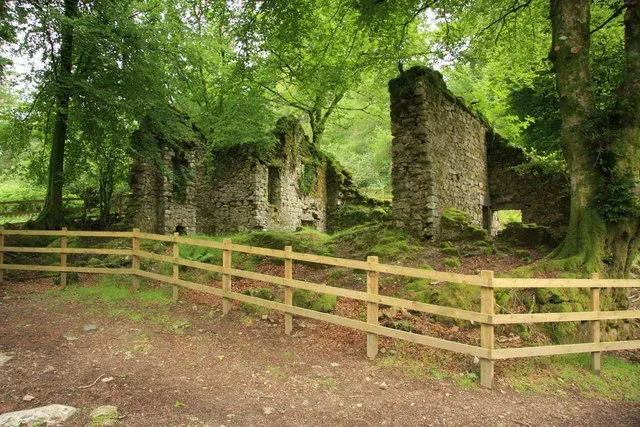
Weathered stone ruins of a moorland farm, slowly being reclaimed by Dartmoor's granite and heather.


Dartmoor's archaeology and heritage - antiquities, historic buildings and museums.
Sheepstor, Tavistock
Weathered stone ruins of a moorland farm, slowly being reclaimed by Dartmoor's granite and heather.

An oval barrow 46 m by 25 m and 1.2 m high on the summit of a ridge between the Rivers Lew and Lyd.
Lee Moor, Shaugh Prior
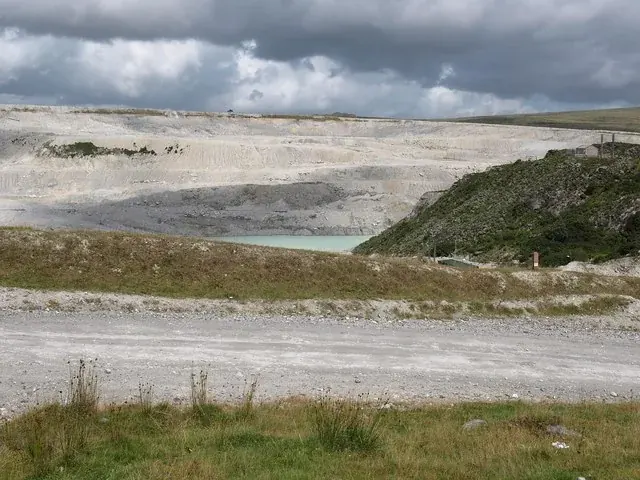
China clay pits above the Plym valley, worked since the 1820s-30s: the 1858 tramway, an old mine leat, and works such as Whitehill Yeo and Cholwichtown.
“Nor can imagination body forth a place more congenial to the sights and sounds of dark and blood-stained rites, than this dreary, narrow, rock-strewn glen of the Dart.”
Which book is this from?

Nattor, Plympton
Bronze Age settlement remains scattered across open moorland, where ancient stone circles and hut platforms reveal how people lived on Dartmoor thousands of years ago.
Barnecourt, Moretonhampstead
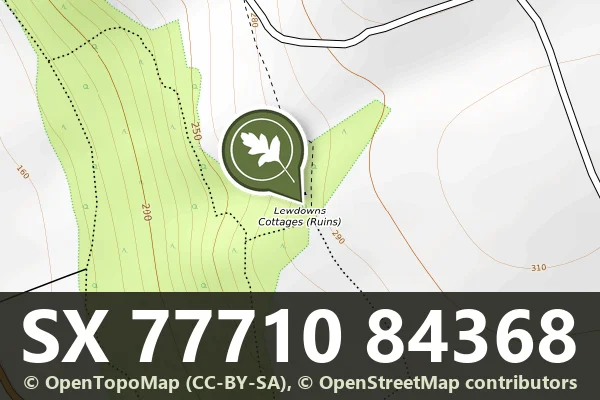
Scattered stone foundations revealing how families once lived on the high moor, now returning to the landscape.

A Grade II* listed farmhouse, likely medieval in origin, standing in the Dartmoor landscape as evidence of long settlement and land use.
East Ogwell, Newton Abbot
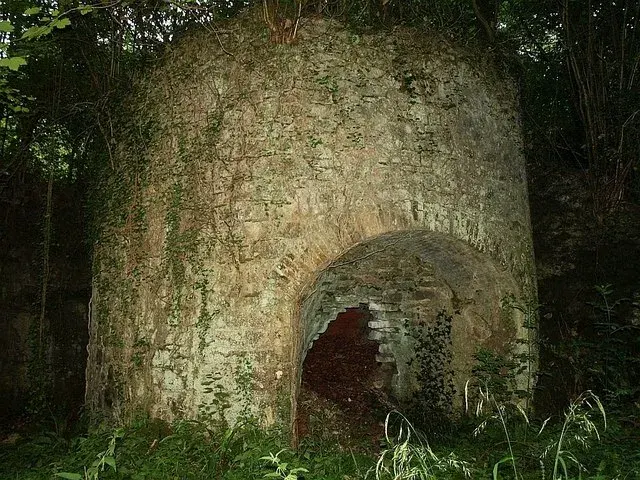
Weathered stone kilns where limestone was burned to create quicklime, leaving industrial traces across the open moor.

The 1.5 m shaft of a large medieval cross, with incised crosses and gate slots from its use as a gatepost, moved here about 1900; Grade II.
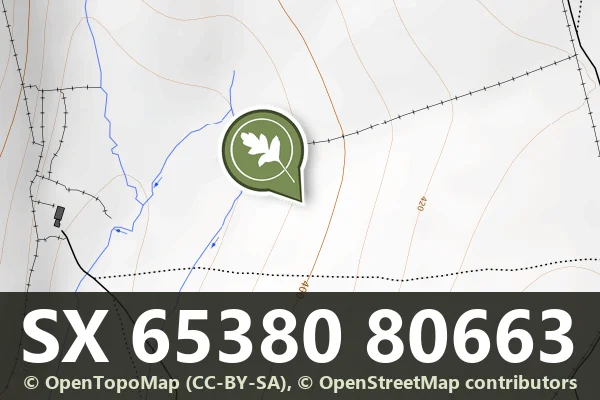
Coaxial fields in Little Stannon Newtake with a settlement of at least five huts, a cairn dug in 1896 that held a charcoal pit with burnt bone and a flint flake, a cist cairn and four stones of a row.
