Festivals & Events
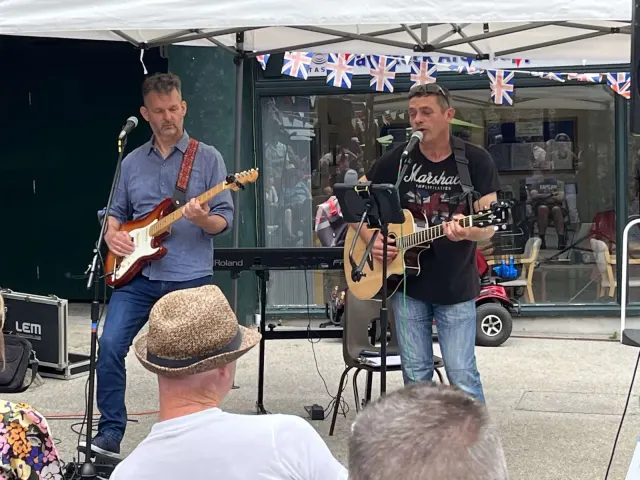
TaviFringe
Tavistock
TaviFringe is Tavistock’s own community fringe festival, celebrating music, performance and the arts in all their forms.

The moor's annual fairs, agricultural shows, village shows, festivals and revels: when they happen, where, and what is on.
Tavistock
TaviFringe is Tavistock’s own community fringe festival, celebrating music, performance and the arts in all their forms.
Tavistock
A musical feast of choral and instrumental music in the beautiful market town of Tavistock
Tavistock
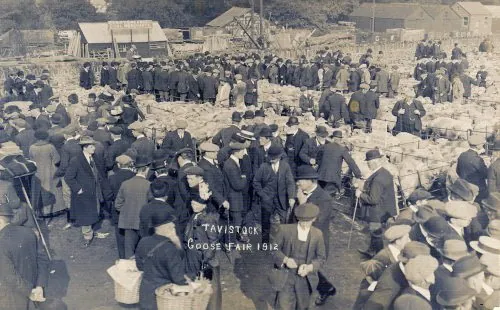
Tavistock's Goose Fair, held in the town centre on the second Wednesday of October. It began as a Michaelmas fair in the early 12th century and is run by Tavistock Town Council.
Okehampton
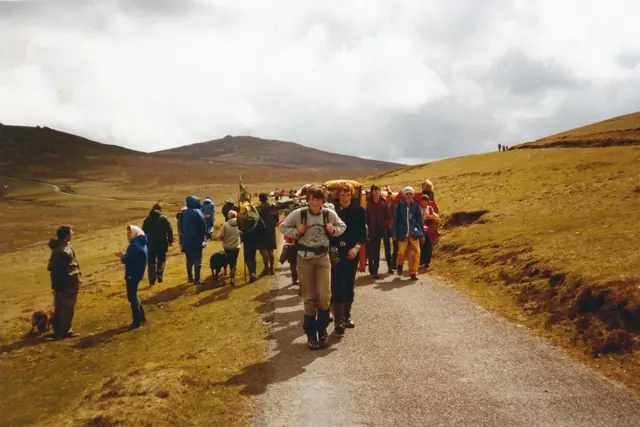
Each spring teams of six young people walk between ten Dartmoor tors, carrying everything they need, in a navigation challenge run by the British Army since 1960.
Holne
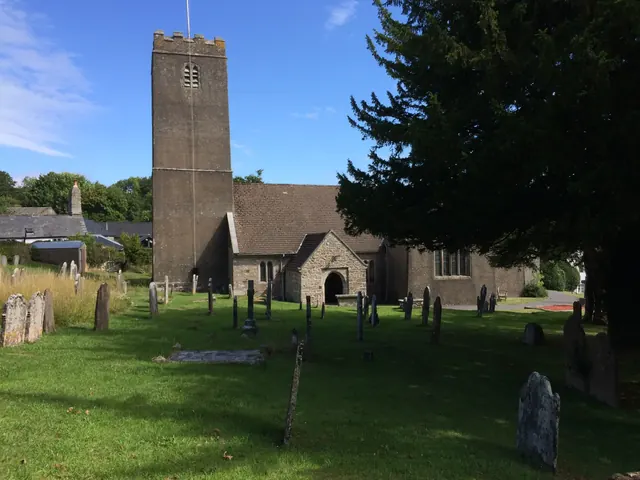
Holne's ram feast was a May Day custom in which a ram was caught on the moor, tied to a granite pillar, roasted whole and shared out; it became the Holne Revel and is now a village fete.
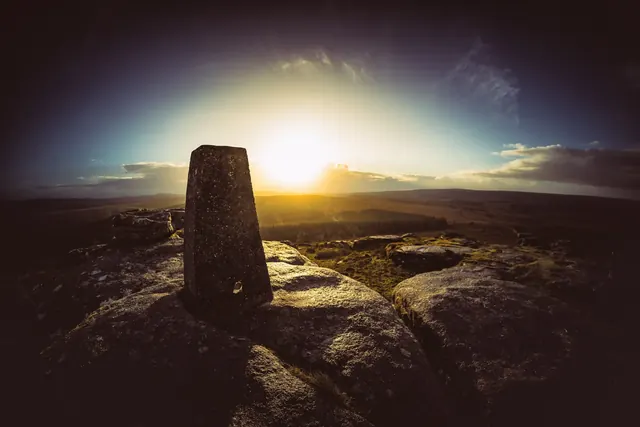
Which Dartmoor tor is this?
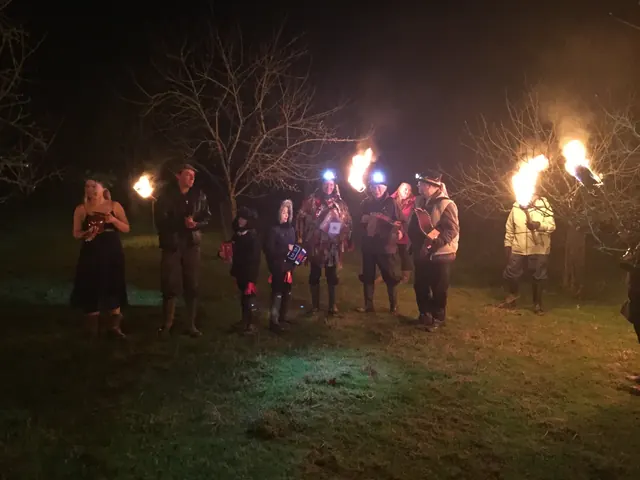
Wassailing is the winter custom of visiting an orchard to sing to the apple trees, make a noise to drive off evil spirits, and bless them for a good crop.
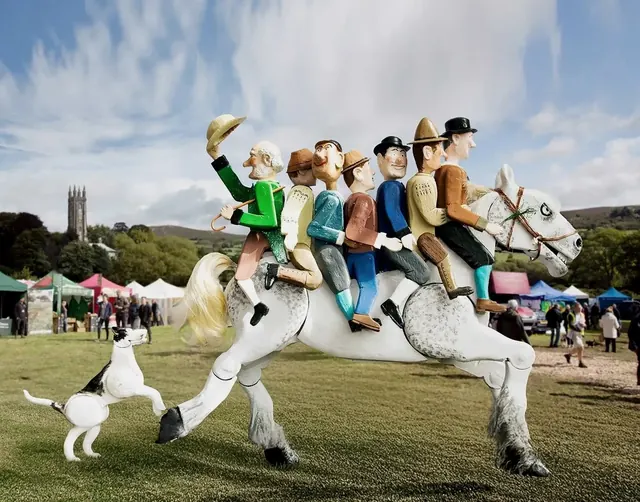
Widecombe-in-the-Moor
Widecombe Fair is run entirely by volunteers to raise money for local good causes, in a sheltered valley on the east side of Dartmoor, on the second Tuesday of September. It shares its name with the folk song that features Uncle Tom Cobley.
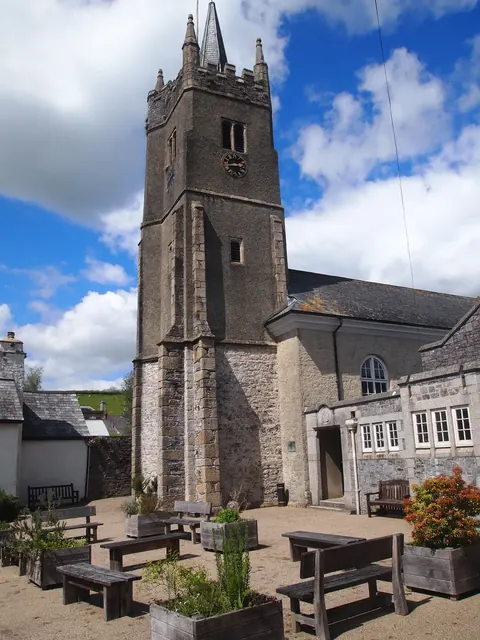
Ashburton
Ashburton's manor court, the Court Leet, still meets each year to appoint the Portreeve, the Ale Tasters and the Bread Weighers, a custom very few towns keep.
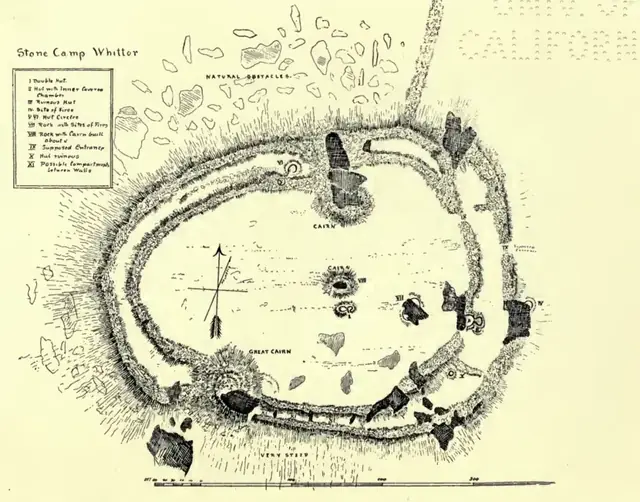 Plate from A Book of Dartmoor, page 134, 1900
“Never in the delirious dream of a disordered brain could anything more savage, more appalling, more hellish be conceived than that dark form and savage face which broke upon us out of the wall of fog.”
Also on Our DartmoorShorter Cross — A coffin-shaped cross without arms, 1.7 m high, with a relief cross on one face and an incised cross on the other, moved in 1873 and re-set in 1900; possibly a Christianised standing stone.