
Historic Buildings
Easdon Farmhouse
A grade II* listed farmhouse on the eastern edge of Dartmoor, likely medieval in origin with later additions.


Listed buildings and historic structures - churches, farmhouses, bridges, mills and the like.
A grade II* listed farmhouse on the eastern edge of Dartmoor, likely medieval in origin with later additions.
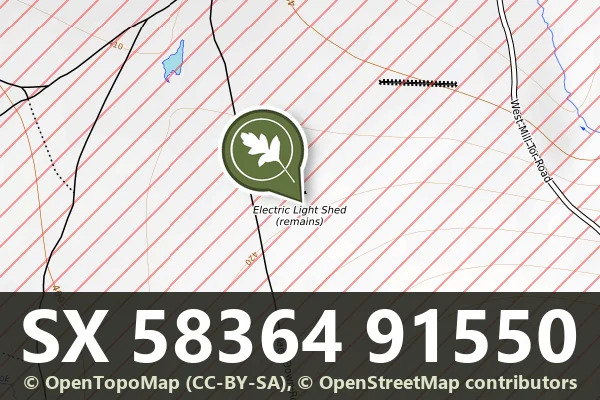
Meldon, Okehampton
Crumbling stone foundations and weathered walls marking an ambitious attempt to bring electricity to remote Dartmoor.

A Grade II* listed building on the eastern moor, likely a farmstead or small settlement with roots in medieval or early modern Dartmoor.
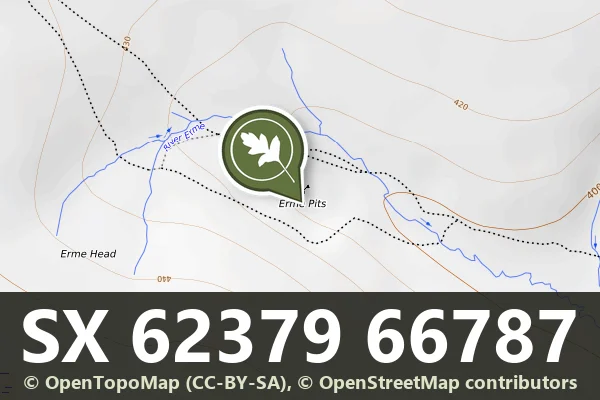
Ivybridge
Scattered stone ruins of 19th-century tin and china clay workings on open moorland, revealing Dartmoor's industrial past.
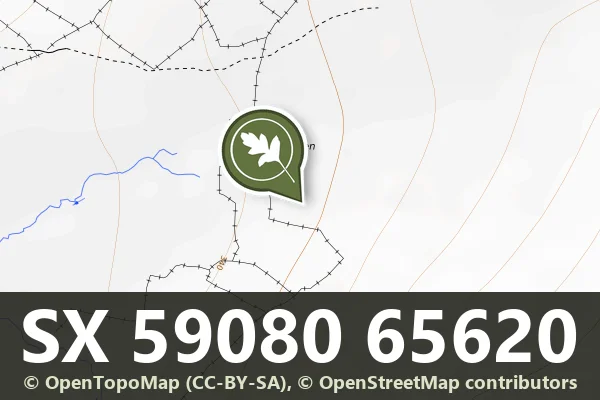
A post-medieval open-ended rectangular building 11.5 m by 3.5 m inside, walled with upright stones up to 1.2 m high, terraced into the slope just east of Hentor Farm.
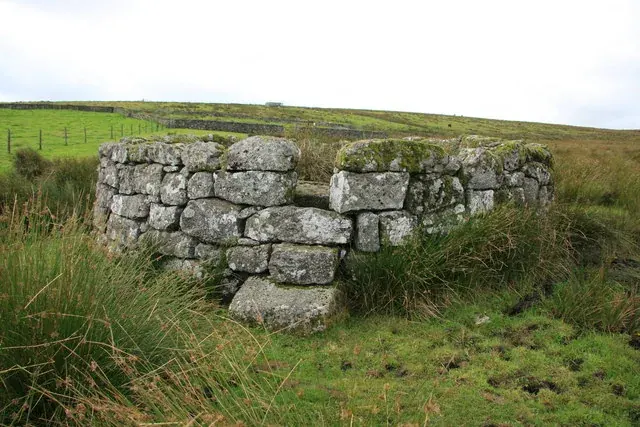
A spring north of Princetown under a stone canopy with a lintel cut I.F. 1568, linked to John Fitz and the same pixie-mist story told at Okehampton.

Drewsteignton, Exeter
A narrow early 17th century granite bridge over the River Teign in the Teign Gorge, below Castle Drogo, once the main road between Drewsteignton and Moretonhampstead. Grade II* listed.

The former Guildhall and police station in Tavistock, Grade II*, about 1848 by John Foulston and then Theophilus Jones for the Duke of Bedford, built on the site of the abbey's Great Court and incorporating late 15th-century fabric.

Medieval listed building on Dartmoor. Historic England list entry 1097177.
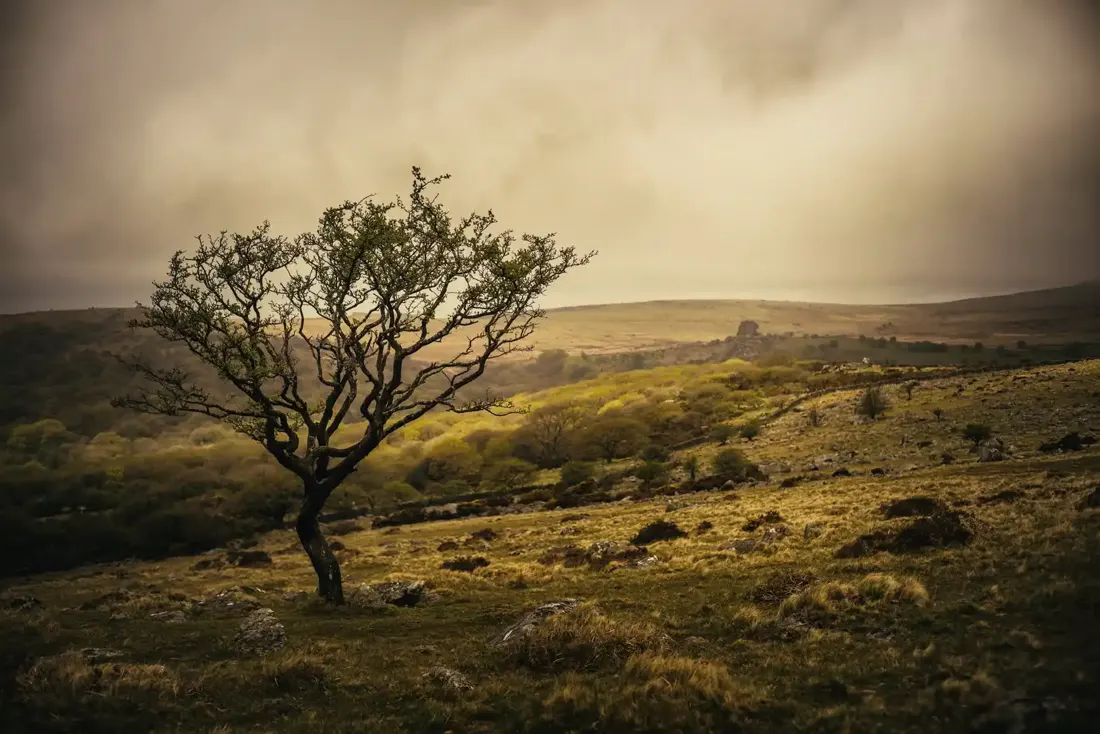 Vixen tor in the background. Photograph by Glavind Strachan Photography
“'T is an ancient rite, auld as cider—maybe auld as Scripture, tu, for anything I've heard to the contrary," said Mr. Lezzard. ... "Ay, so 't is," declared Billy Blee, "an' a custom to little observed nowadays. But us might have better blooth in springtime an' braaver apples come autumn if the trees ...”
Also on Our DartmoorWest Chapple Farmhouse — A Grade II* listed farmhouse on the edge of Dartmoor, likely dating from the medieval period and representative of the vernacular architecture that shaped the moor.
