Wringworthy Farmhouse
A Grade II* listed farmhouse on Dartmoor, likely medieval in origin with later modifications, standing in the open moorland landscape.
Listed buildings and historic structures - churches, farmhouses, bridges, mills and the like.
A Grade II* listed farmhouse on Dartmoor, likely medieval in origin with later modifications, standing in the open moorland landscape.
Old books sometimes spell "Fice's Well" differently. Which of these is one of those spellings?
A listed building on Dartmoor, likely a medieval or early modern structure with roots in the moorland landscape.
Grade II* listed farmhouse on Dartmoor, likely medieval in origin with later additions.
A Grade II* listed farmhouse with attached stable range, likely dating from the 17th or 18th century.
A Grade II* listed building on Chapel Street, likely dating from the 17th or 18th century.
A Grade II* listed building on East Street, a modest Georgian or early Victorian townhouse typical of Dartmoor's market towns.
Listed building on Dartmoor. Historic England list entry 1201025.
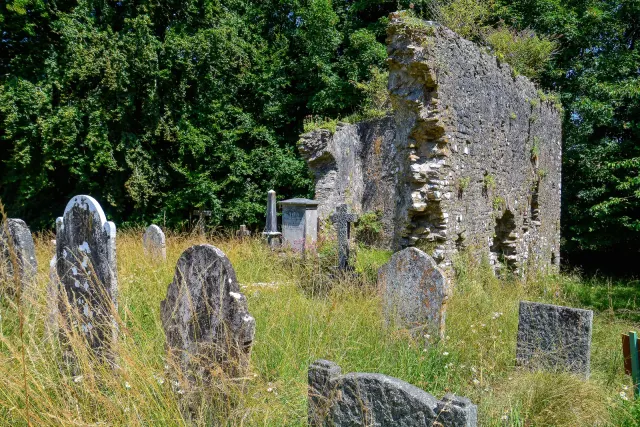
A ruined 12th to early 13th century chantry chapel in Buckfastleigh churchyard, 13.7 m by 7 m inside, listed Grade II*.
A grade II* listed building with roots in Dartmoor's parish life, comprising a main house and detached rear structure of likely medieval or early modern origin.
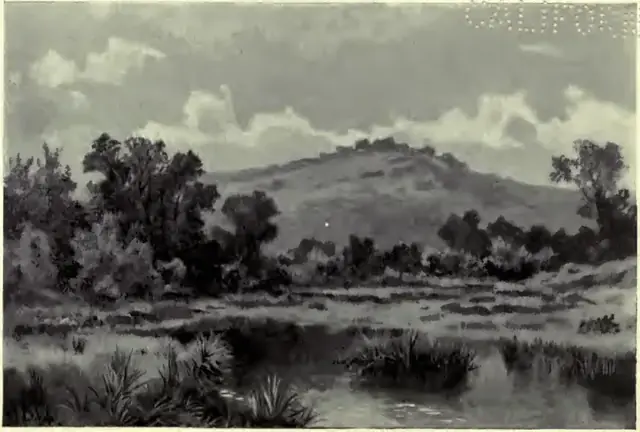
Plate from A Book of Dartmoor, page 222, 1900“the soil swampy, ever shrouded in vapour, dreary, wet and aguish, and, indeed, what other can be expected from a spot said to be placed in the midst of 40,000 acres of marshy ground .... the soil has been partially drained, and a town (Princetown) has been built .... but we believe it to be pretty ...”
Also on Our DartmoorShuttamoor Mine and Shafts — Abandoned tin mine shafts dotting the open moorland, remnants of Dartmoor's industrial heyday.