Photo © Michael Garlick, CC BY-SA 2.0, via Wikimedia Commons
Drewsteignton
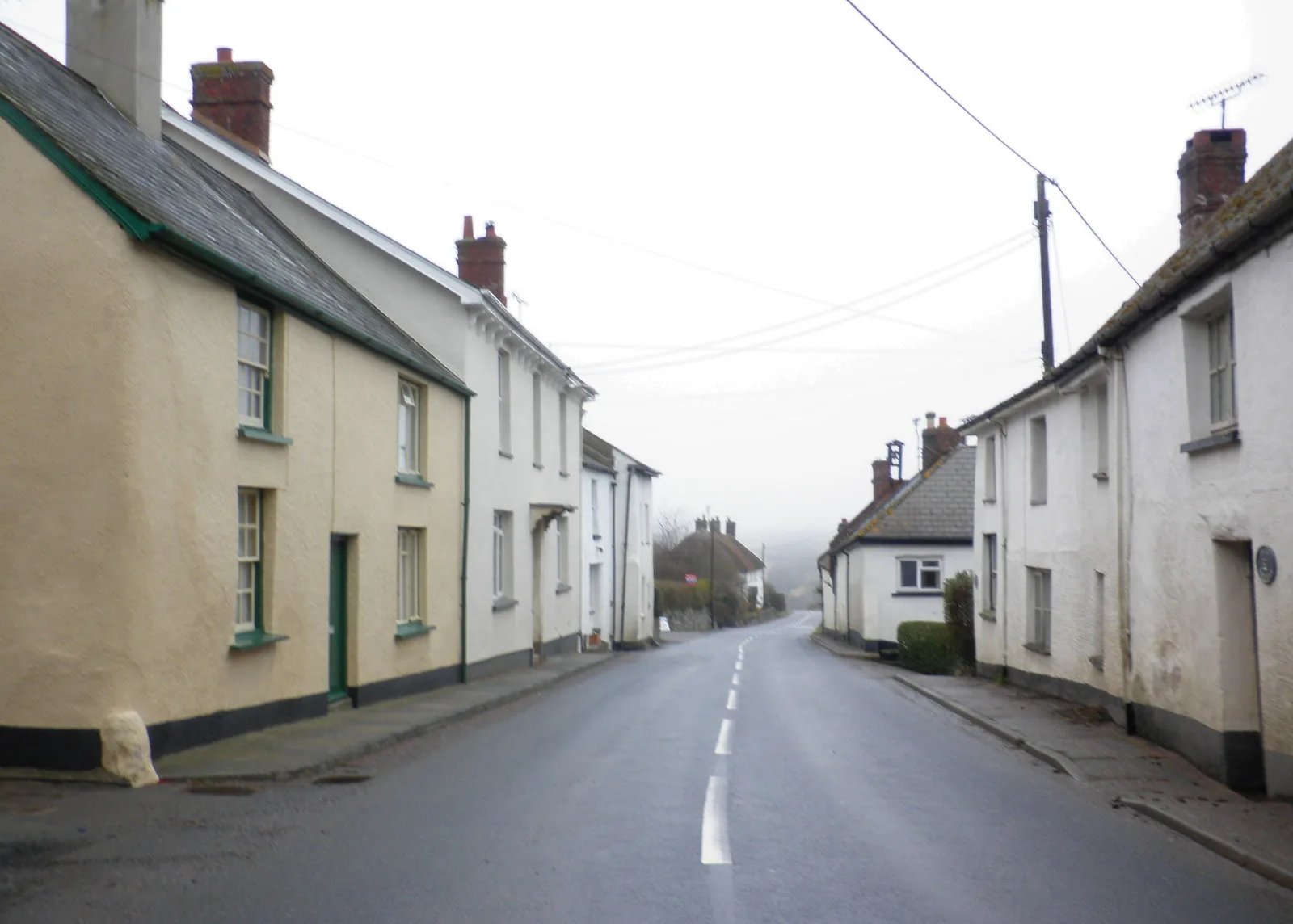
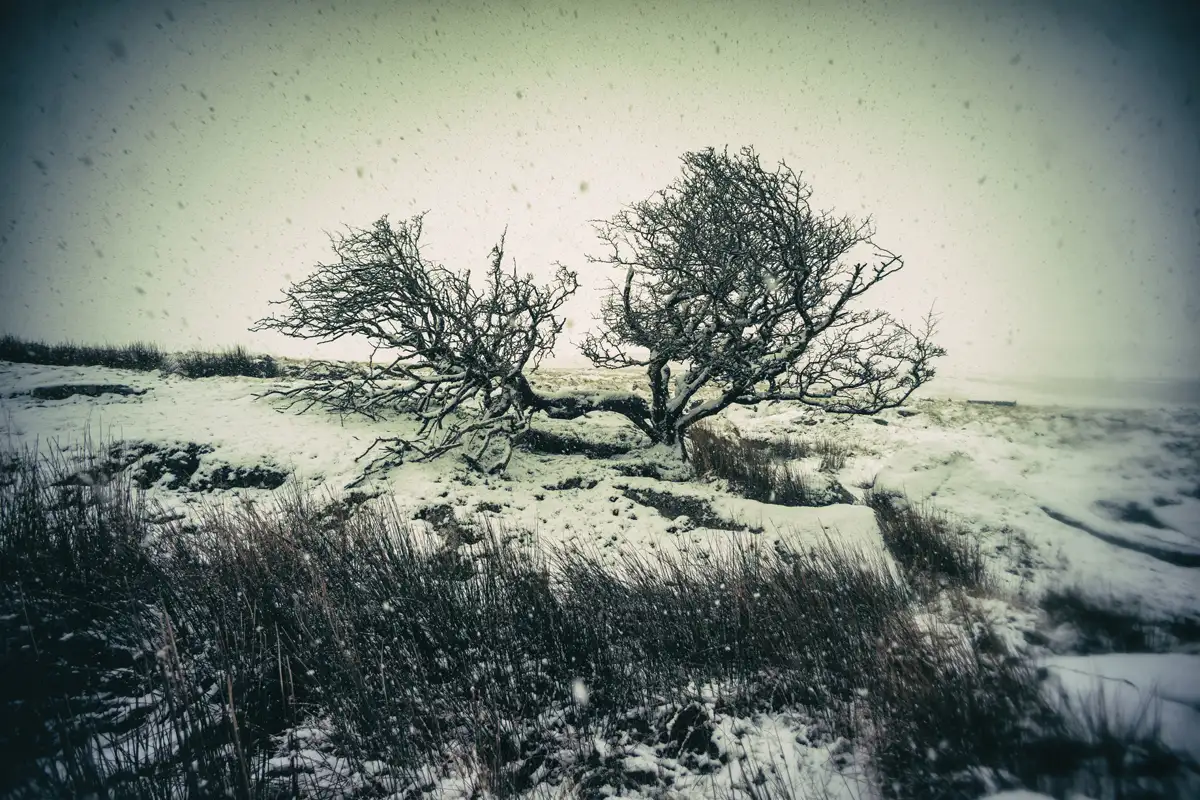
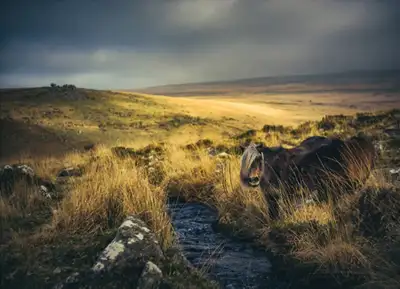
Drewsteignton is a village in the valley of the River Teign, in Dartmoor National Park, 13 miles west of Exeter. In Domesday Book (1086) the manor of Taintone was one of Baldwin the Sheriff's Devon holdings, and the parish had five manors. The later name comes from Drogo or Drew, a sub-tenant of Tainton in the twelfth century. It was 'Drogo's farm on the Teign' by 1275 and Drewsteignton by 1327. The village centre has been a conservation area since 1972.
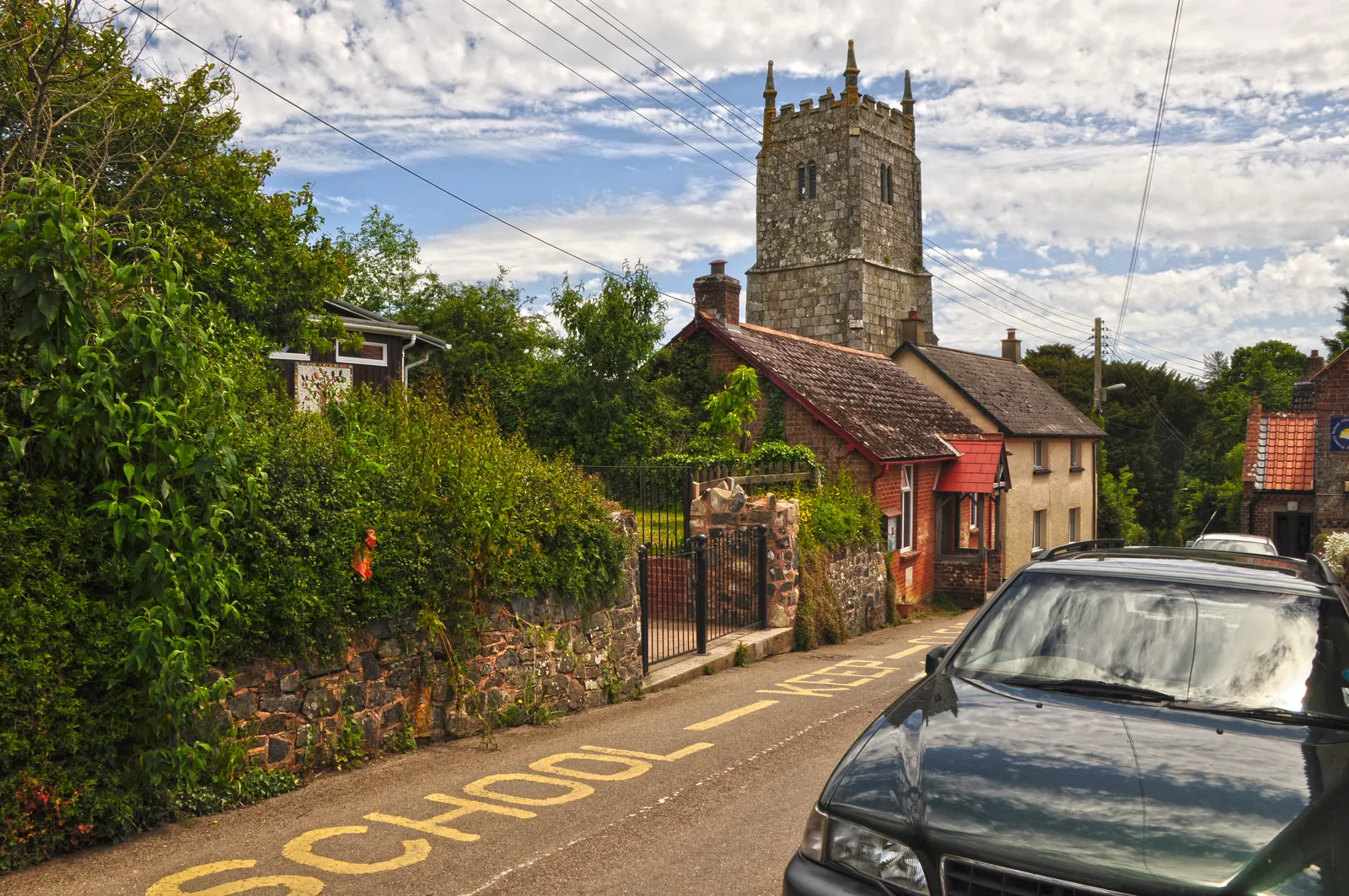
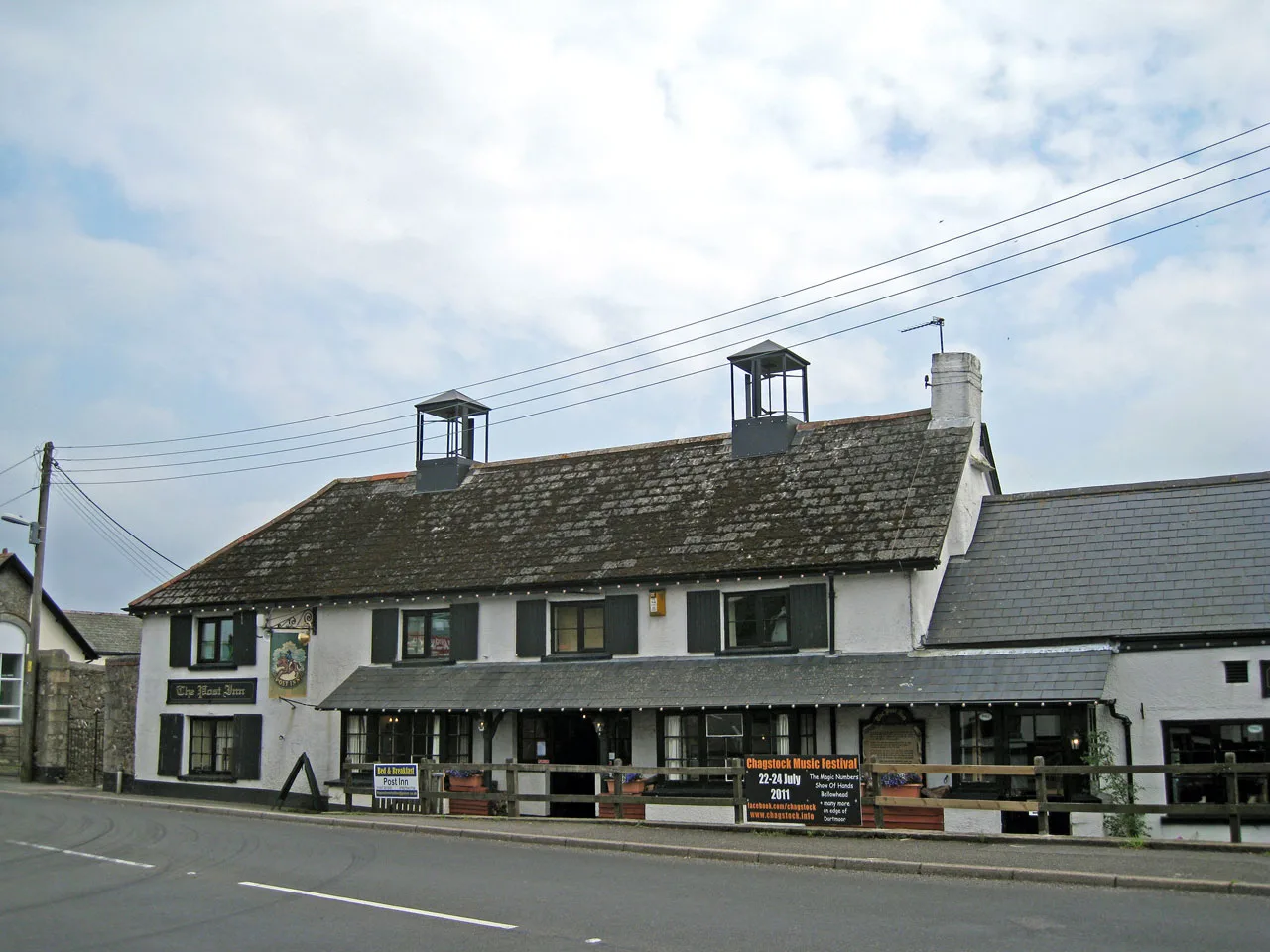
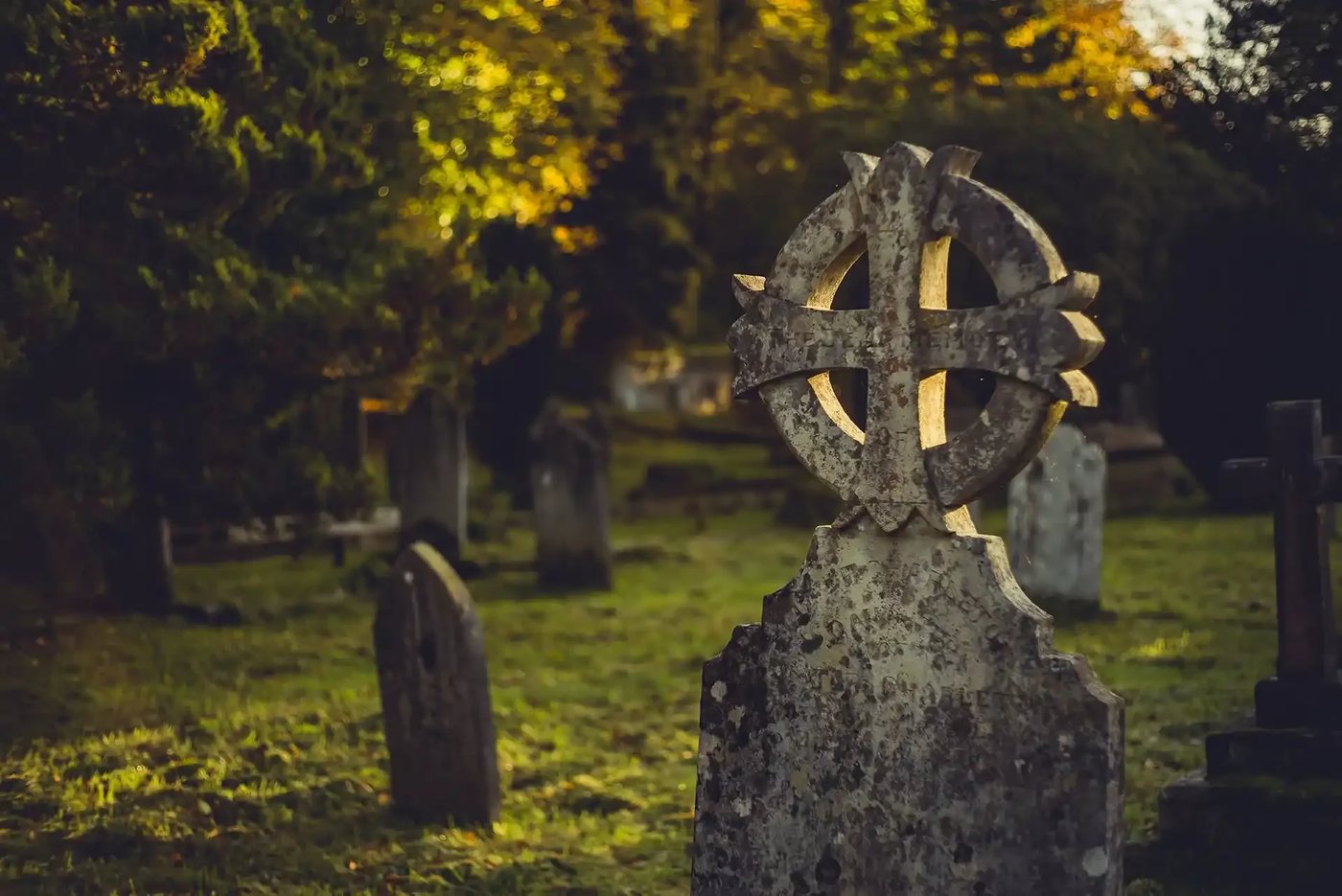
The church of Holy Trinity is mostly fifteenth century and has a four-pinnacled tower on the village square. Its dedication was first recorded in 1742. Inside are nine ledger stones and the Ponsford chest tombs, said to be the only ones of their kind on Dartmoor. Six bells were recast in 1784. The Golden Lion inn was a staging post for the Trafalgar dispatch carried to London in 1805, and a plaque was unveiled in 2005.
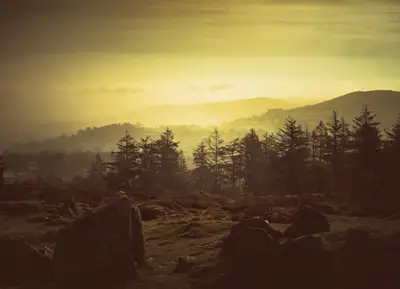
Spinsters' Rock, a Neolithic chambered tomb, is on Shilstone land in the parish. Three uprights carry a capstone about 4.5 by 3.1 metres. It fell in 1862 after the field was ploughed in a wet season, and was put back later that year at the Rev. William Ponsford's expense. The uprights were not necessarily replaced where they were, so it may not be as originally built.
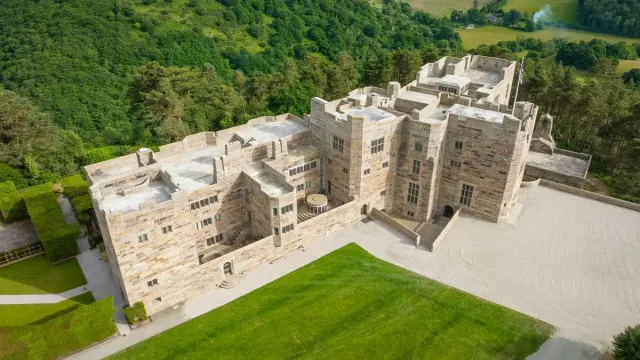
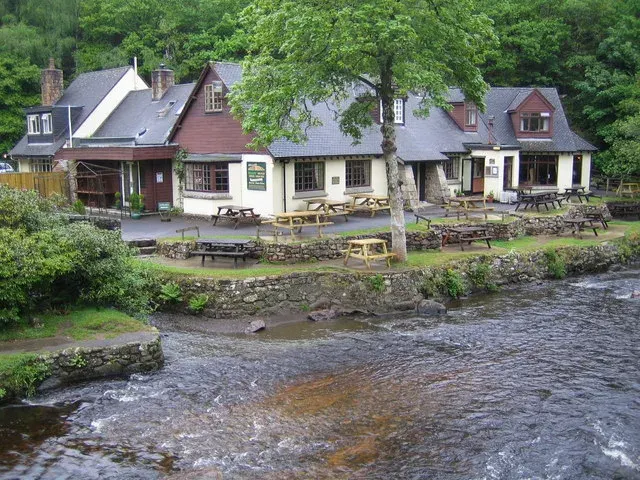
Castle Drogo, designed by Edwin Lutyens for Julius Drewe, founder of Home and Colonial Stores, was built from 1911 to 1930 and passed to the National Trust in 1974. It is often called the last castle built in England. Fingle Bridge, a Grade II* listed granite bridge over the Teign, was in decay by 1665 and is thought to be early seventeenth century. It was used by packhorses carrying tan bark. The Fingle Bridge Inn began in 1897 as a tea shop.
Drewsteignton on the map
In Drewsteignton
Castle Drogo
Drewsteignton, Exeter
Remarkable 20th-century granite castle designed by Sir Edwin Lutyens for millionaire Julius Drewe, overlooking the spectacular Teign Gorge. The last castle built in England, now cared for by the National Trust. Gardens, gorge walks, café and shop.
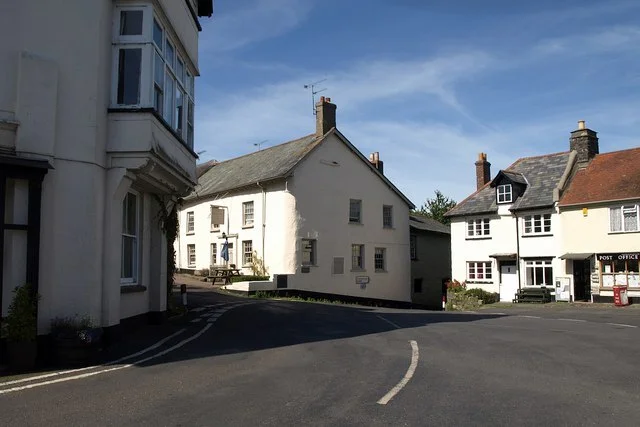
Drewsteignton Parish Council
Drewsteignton, Exeter
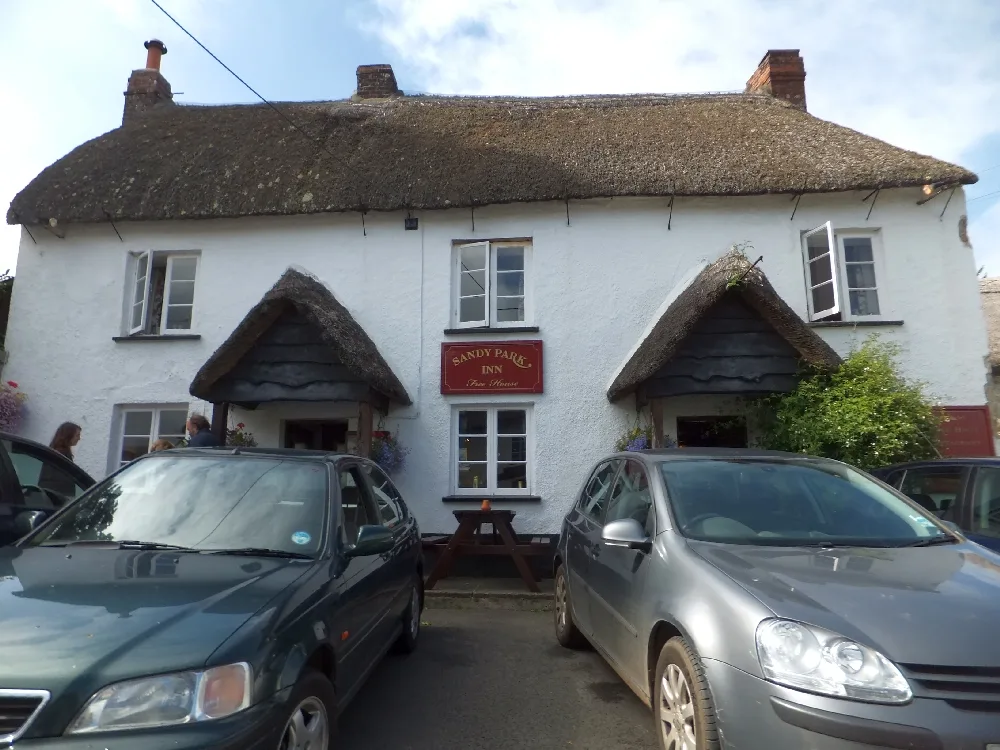
The parish council for Drewsteignton, Crockernwell, Sandy Park, Venton and Whiddon Down.

Fingle Bridge
Drewsteignton, Exeter
A narrow early 17th century granite bridge over the River Teign in the Teign Gorge, below Castle Drogo, once the main road between Drewsteignton and Moretonhampstead. Grade II* listed.
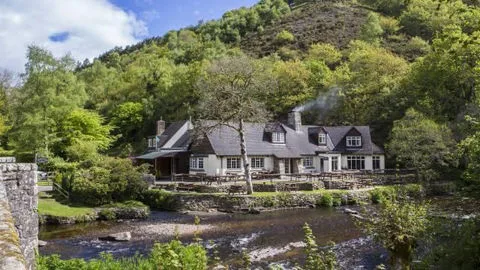
Fingle Bridge Inn
Drewsteignton, Exeter
Riverside pub-restaurant beside the ancient Fingle Bridge on the Teign, with a stone hearth, beams, beer garden and cream teas.
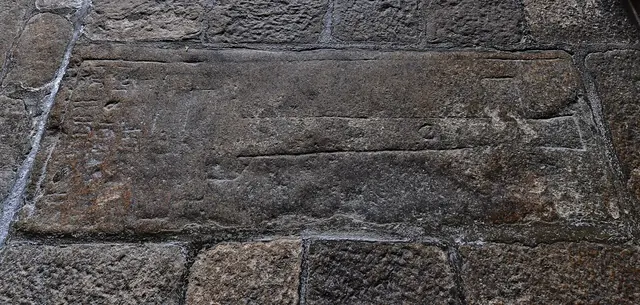
Holy Trinity Church, Drewsteignton
Drewsteignton
Grade I listed 15th-century parish church at the heart of Drewsteignton village, overlooking the Teign Gorge.
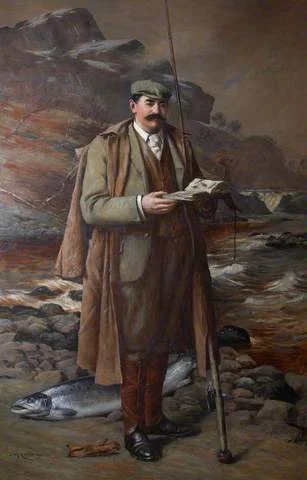
Julius Drewe
Drewsteignton
Founder of the Home and Colonial Stores (1856-1931), who retired at 33 and built Castle Drogo above the Teign Gorge, the last castle built in England.
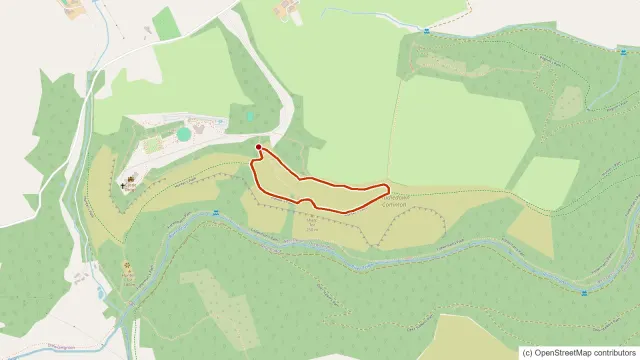
Piddledown Common Walk, Castle Drogo
Drewsteignton
Piddledown Common Walk, Castle Drogo is a short walking route of about 1.3 km on and around Dartmoor.
Prestonbury Castle
Drewsteignton
Prestonbury Castle is an Iron Age hill fort located on a hilltop near Drewsteignton, some 240 metres above sea level. It stands overlooking the Teign Valley and is close to two other hill forts, about 2 km away.
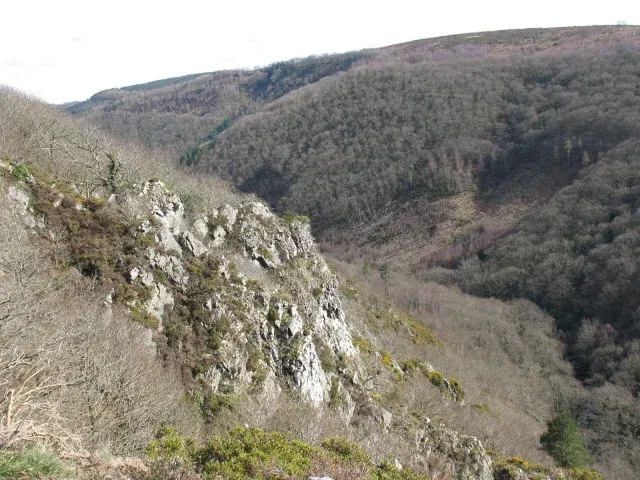
Sharp Tor, Castle Drogo
Drewsteignton
Two crags of shale, not granite, high above the Teign Gorge below Castle Drogo, with the Hunter's Path running a few metres from the summit.
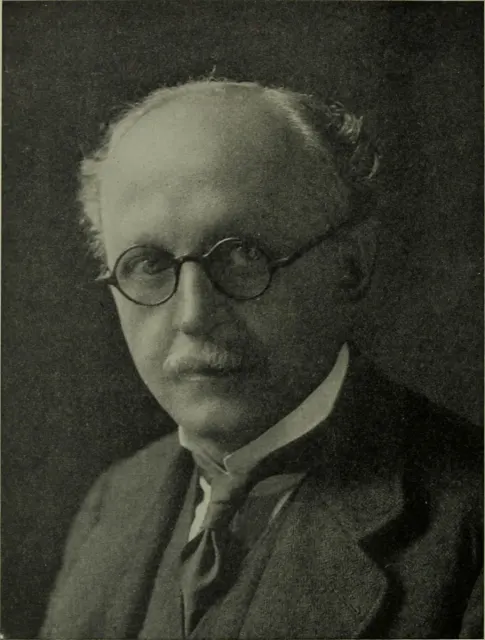
Sir Edwin Lutyens
Drewsteignton
British architect (1869-1944) who designed Castle Drogo for Julius Drewe, built 1911-1930 at about a third of his original plan.
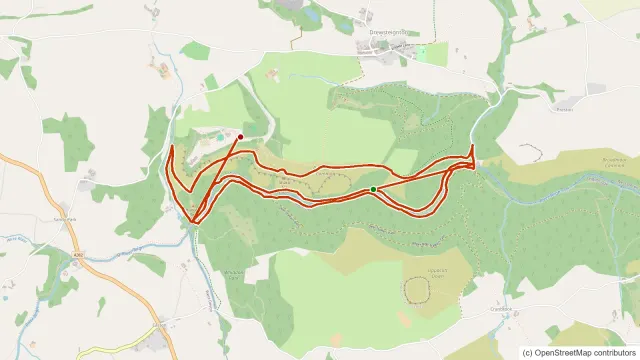
Teign Gorge Classic Circuit, Castle Drogo
Drewsteignton
Teign Gorge Classic Circuit, Castle Drogo is a circular walking route of about 11 km on and around Dartmoor.
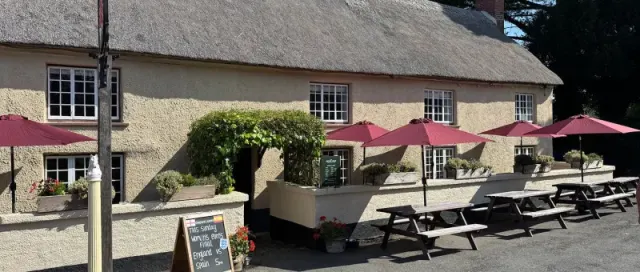
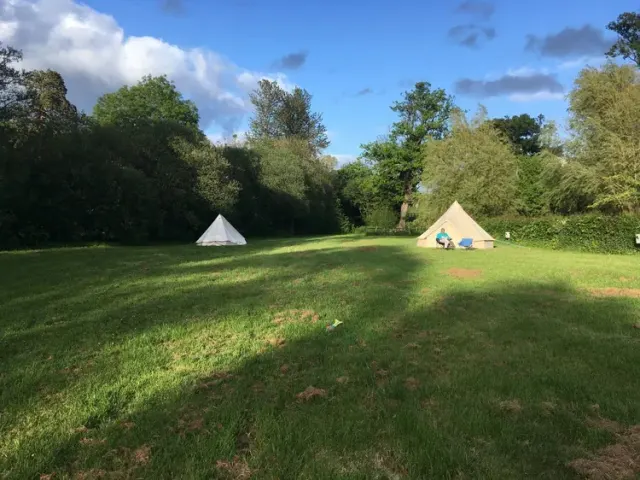
Three Hares Campsite
Drewsteignton
Our sheltered site is in a secluded valley just outside the historic village of Drewsteignton, an idyllic location from which to explore all that Dartmoor has to offer.