Dartmoor quiz
Which Dartmoor place has also been known as "Cosdon Beacon"?


← Browse Folklore, Myth & Legend · Browse the directory
Grid ref: SX 7193 7677
On walking routes: Two Moors Way
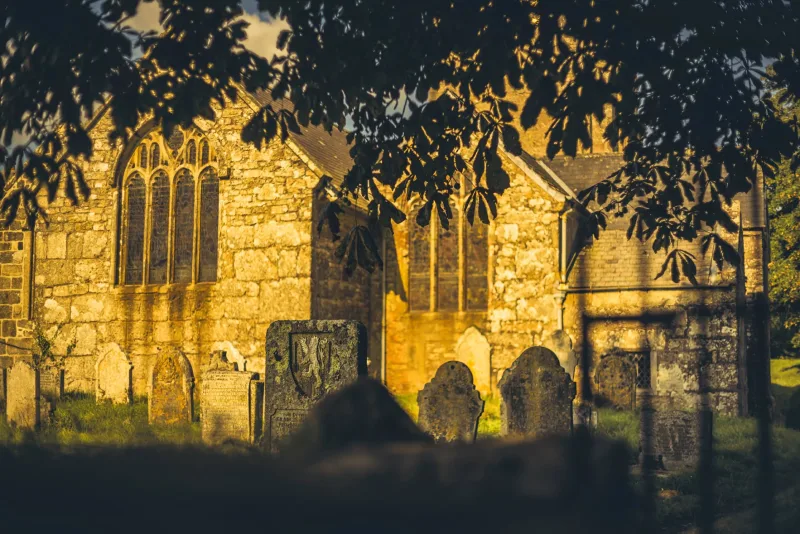
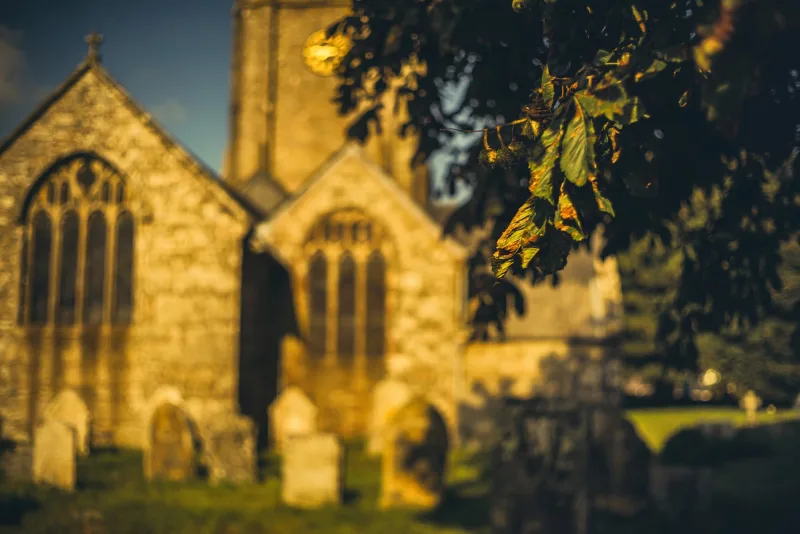
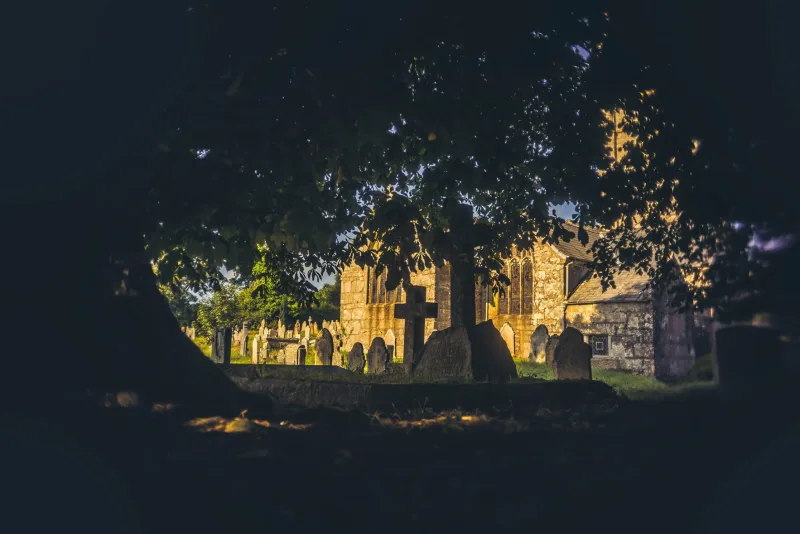
The popular version goes like this: during a terrible thunderstorm, the Devil himself appeared at Widecombe church, causing panic among the congregation. Lightning struck the church tower, people were killed or struck down, and the Devil vanished. It is told as a vivid, near-contemporary account of a supernatural visitation.
What we actually know is murkier. There really was a severe storm at Widecombe in 1638, recorded in a pamphlet called 'A True Relation'. But the pamphlet is a printed account of a local event, not an eyewitness manuscript, and the Devil's actual involvement depends on which version you read and how seriously you take seventeenth-century storm commentary. The tale has mutated considerably since then (legends are like memes in slow motion). Modern retellings often add details and dramatise the supernatural elements more heavily than the original source seems to support.
If you want to go and look for yourself, the 1638 pamphlet is in the public domain. Beyond that, the written trail gets thinner, and quite a lot of what circulates online now is embellishment rather than tradition.
The story was reported almost immediately. A pamphlet titled "A True Relation of those sad and lamentable accidents...at...Withycombe in the Dartmoores...on Sunday the 21. of October...1638" was licensed in London on 17 November 1638, less than a month after the storm, and reprinted in an enlarged second edition ten days later. Its own sourcing note states it was compiled "extracted out of the letters of Ministers and other men of quality [and] by those that had the full relation from Master Lyde his own mouth", meaning it drew partly on a direct account from the parish's own minister.
Be the first to share a thought about The Great Thunderstorm of Widecombe.
Share a thoughtWhich Dartmoor place has also been known as "Cosdon Beacon"?
Know another Dartmoor place, tor or landmark we should include? Suggest a listing, it is free.
Suggest a listing