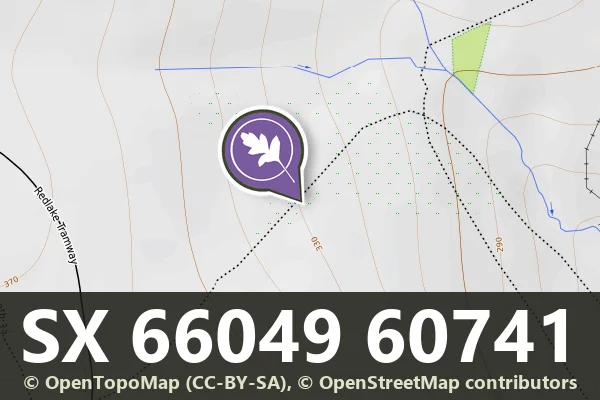

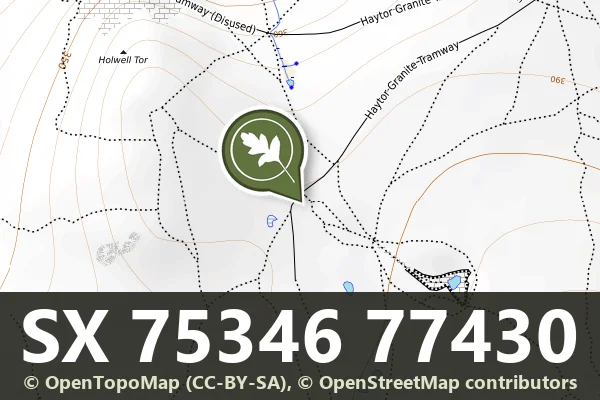
Haytor Granite Tramway
The stone-built remains of a 19th-century tramway cut into Dartmoor granite, engineered to haul stone from the quarries down the moorland slope.

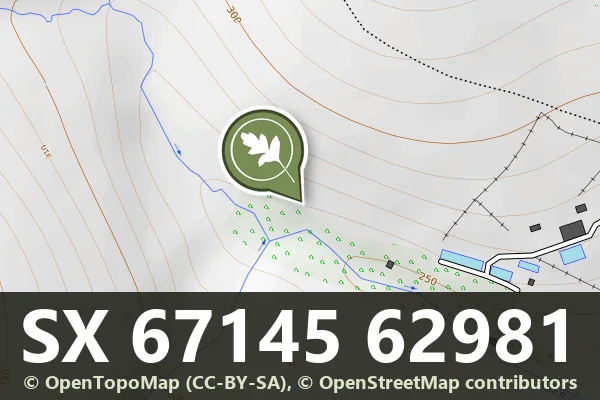
Bronze Age settlement traces etched into the high moorland, revealing how ancient communities shaped Dartmoor's uplands.
Bronze Age settlement of stone-built roundhouses, preserved within defensive walls on open moorland.
Cudlipptown, Tavistock
Bronze Age stone foundations where Dartmoor families made their homes thousands of years ago.
A Bronze Age field boundary that still marks the moorland landscape after four thousand years.
Remnants of a 19th-century granite tramway carved across high moorland, where stone once rolled downhill to feed Victorian industry.
A granite tramway that once carried stone from Haytor's quarries across the open moor, now a walk through industrial heritage.
Bronze Age stone alignment stretching across open moorland, a silent witness to Dartmoor's prehistoric past.
A Bronze Age alignment of standing stones stretching across open moorland, testament to Dartmoor's prehistoric past.