

Sticklepath
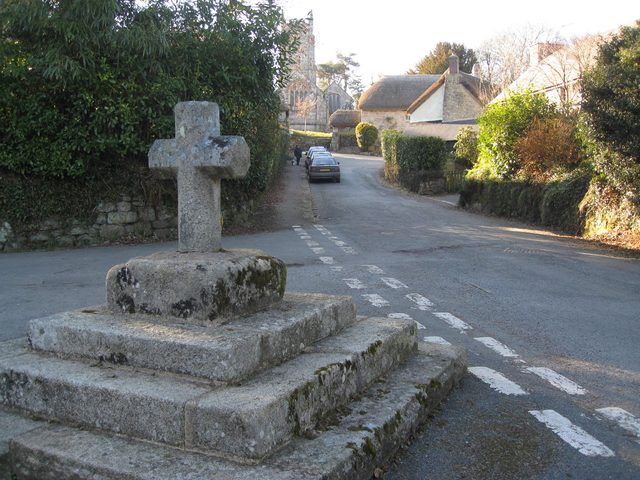
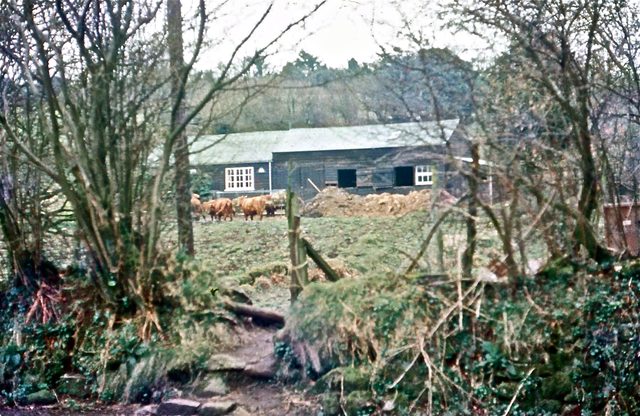
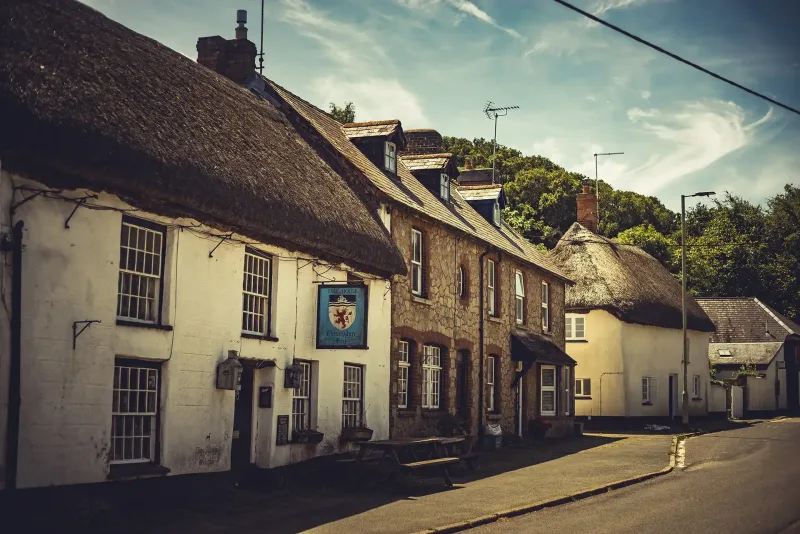
Sticklepath is a picturesque village on the north-eastern edge of Dartmoor National Park, just south of the A30 between Okehampton and Whiddon Down. Set in the wooded valley of the River Taw, it enjoys a wonderful position beneath Cosdon Hill and at the eastern end of Belstone Cleave, making it an ideal gateway to the open moor. From the village, walkers can follow riverside paths to nearby Belstone or venture onto the dramatic granite landscapes of northern Dartmoor, where sweeping views, ancient tors and expansive moorland await.
Despite its modest size, Sticklepath has a remarkably rich history, with origins dating back to at least the 11th century. For centuries the village lay on the old coaching and trading route between Exeter and Cornwall, bringing a steady stream of travellers through its narrow main street. Unlike many Devon villages, it did not grow around a manor house or estate, but instead developed because of its strategic location where ancient routes crossed the River Taw. During the 17th century it became a centre of Quaker activity before Methodism flourished in the 18th century, leaving a lasting influence that can still be seen in the village's chapel and community life.
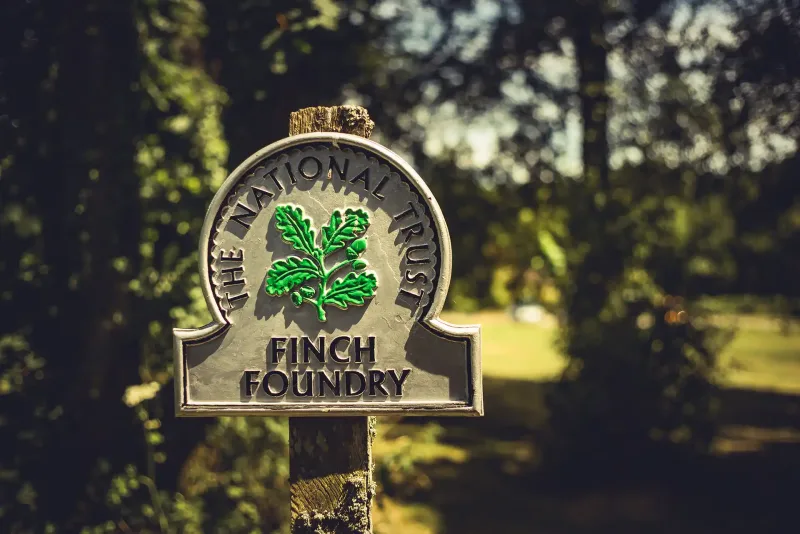
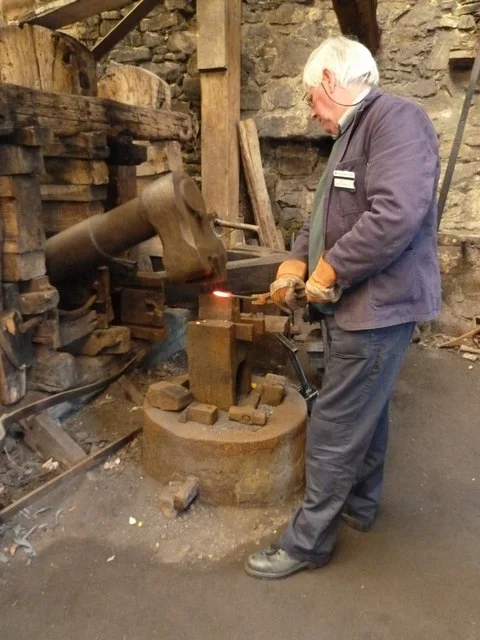
The village is perhaps best known for Finch Foundry, a beautifully preserved 19th-century water-powered forge now cared for by the National Trust. Once producing tools for local farmers and miners, it is one of the last working water-powered forges in England and offers visitors a fascinating insight into Devon's industrial heritage. The village is also associated with the famous Sticklepath Fault, one of south-west England's most significant geological features, which has shaped the surrounding landscape and is well known among geologists.
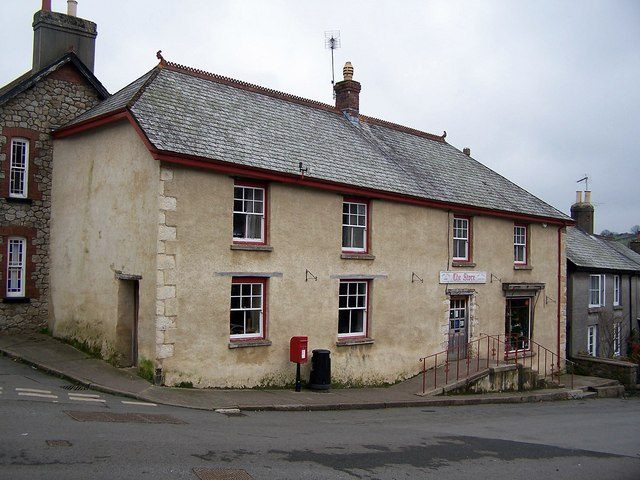
Today, Sticklepath combines its historic character with a strong sense of community. Visitors will find a traditional village shop, two welcoming country pubs, a village hall, church and chapel, along with easy access to a network of walking trails through woodland, riverside scenery and onto the open moor. Its combination of natural beauty, industrial heritage and peaceful rural atmosphere makes Sticklepath one of the most appealing villages on the edge of Dartmoor, offering both a tranquil base for exploring the national park and a destination with a fascinating story of its own.












Sticklepath on the map
In Sticklepath

Dartmoor Auctions
Sticklepath, Okehampton
Regular auctions in Sticklepath featuring general goods, house clearances and specialist sales with online bidding.
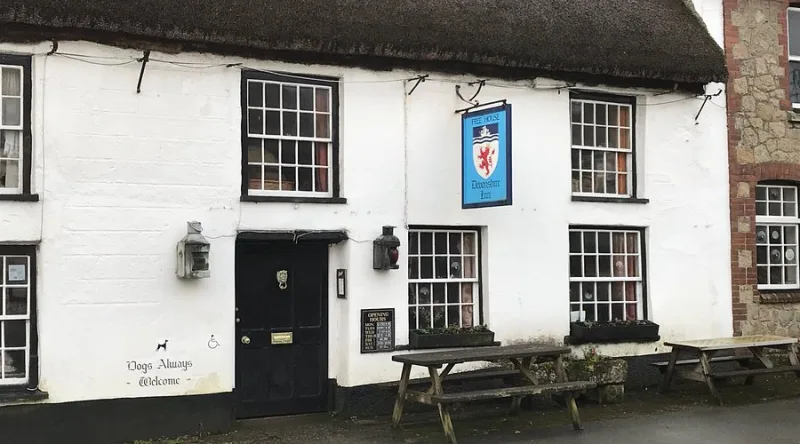
Devonshire Inn
Sticklepath, Okehampton
This unspoilt thatched local, with low ceilings and an open fire, was originally at the end of a terrace of Elizabethan cottages in this Dartmoor village. Entering it today is to experience an atmospheric step back in time. There is a leat running past the rear wall of the pub which helps cool the cake ales on stillage, as well as powering the waterwheel of the Finch Foundry Museum (NT) next door.

Finch Foundry - National Trust
Sticklepath, Okehampton
The last working water-powered forge in England
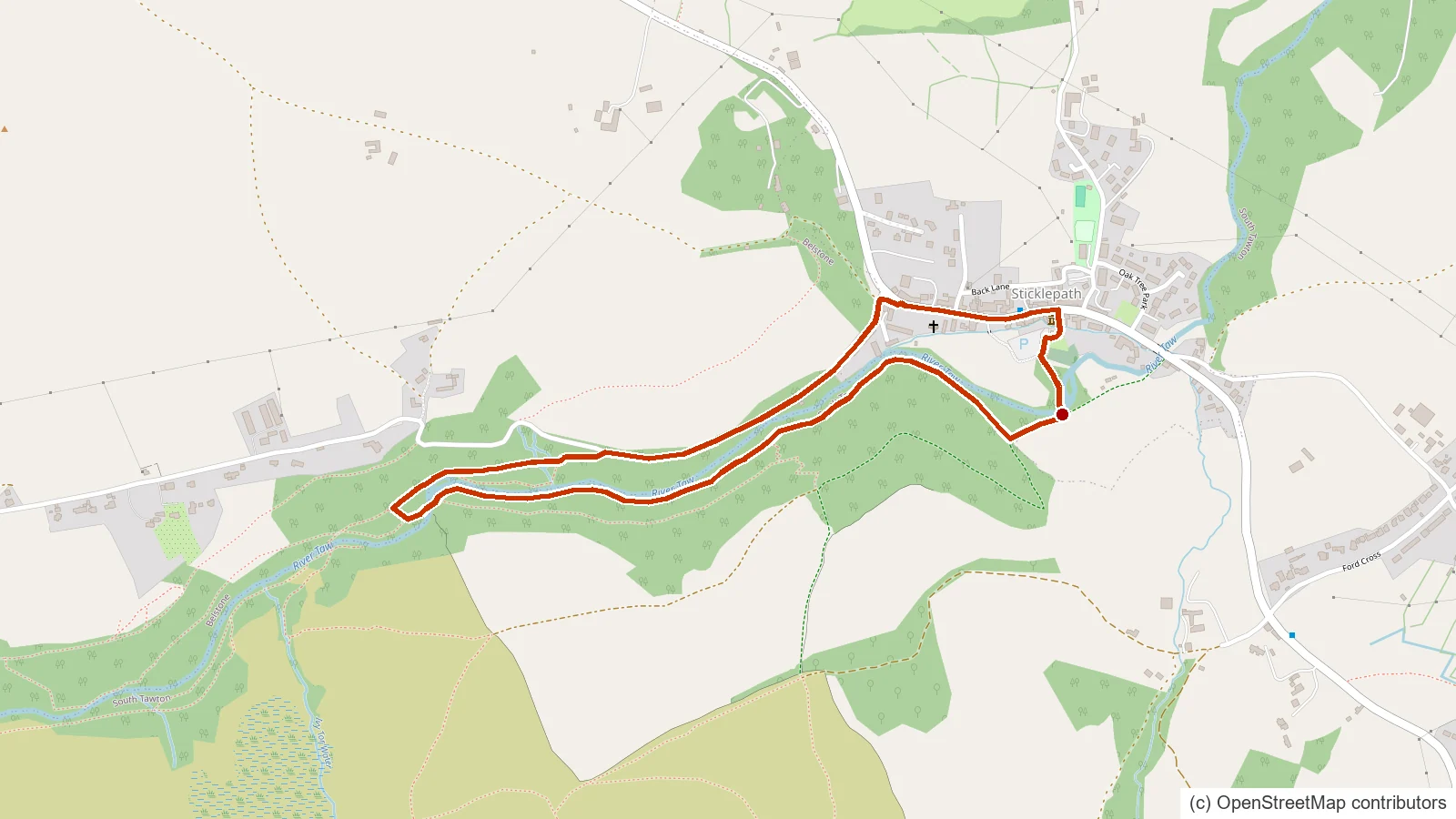
In the Footsteps of Tom Pearse, Finch Foundry
Sticklepath
In the Footsteps of Tom Pearse, Finch Foundry is a short walking route of about 2.7 km on and around Dartmoor.
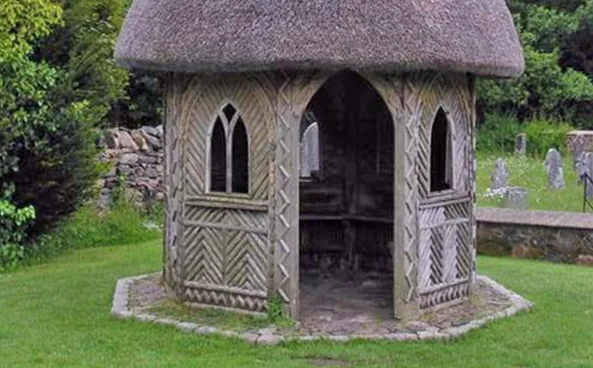
Quaker's Burial Ground
Sticklepath, Okehampton
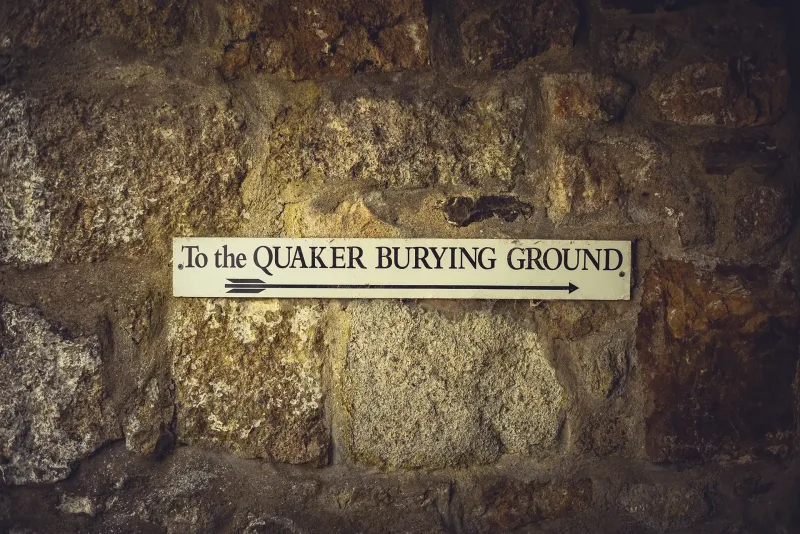
Sticklepath Quaker Burying Ground is located in the middle of this historic Dartmoor village, tucked away in a peaceful setting behind Finch’s Foundry, on the banks of the tumbling Taw River.

St Mary's Church
Sticklepath, Okehampton
Nestled at the west end of the village, St Mary’s Church is well worth a visit.
Sticklepath Parish Council
Sticklepath, Okehampton
The parish council for Sticklepath, home to the National Trust's Finch Foundry, near Okehampton.


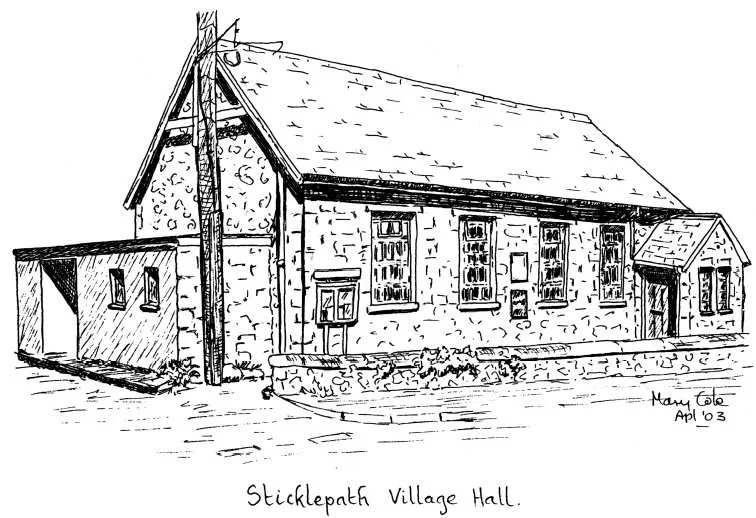

Sticklepath Village Website
Sticklepath
A thoughtful village resource connecting Sticklepath's groups, committees, events and local information, with a welcoming introduction for visitors and residents.
Taw River Inn
Sticklepath, Okehampton
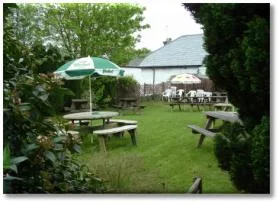
A perfect country, self catering holiday cottage, pub and restaurant in Devon.
Taw Teign Link
Sticklepath
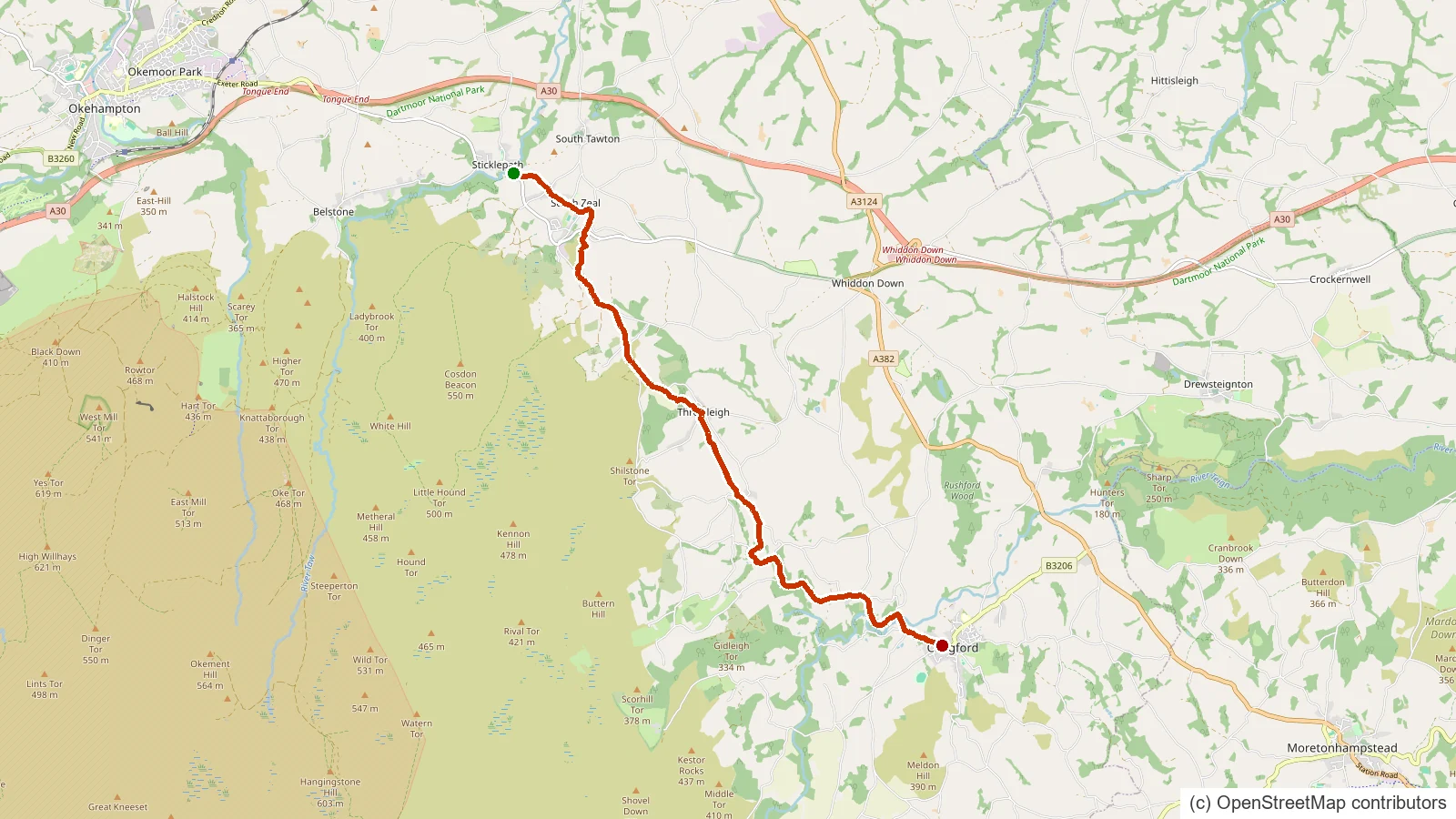
Taw Teign Link is a long-distance walking route of about 11 km on and around Dartmoor.