Dartmoor quiz
Old books sometimes spell "Black Tor" differently. Which of these is one of those spellings?


← Browse Milestones & Boundary Markers · Browse the directory
Throwleigh, Chagford, Devon
Grid ref: SX 6335 8949 Find this on the Map Reference Finder
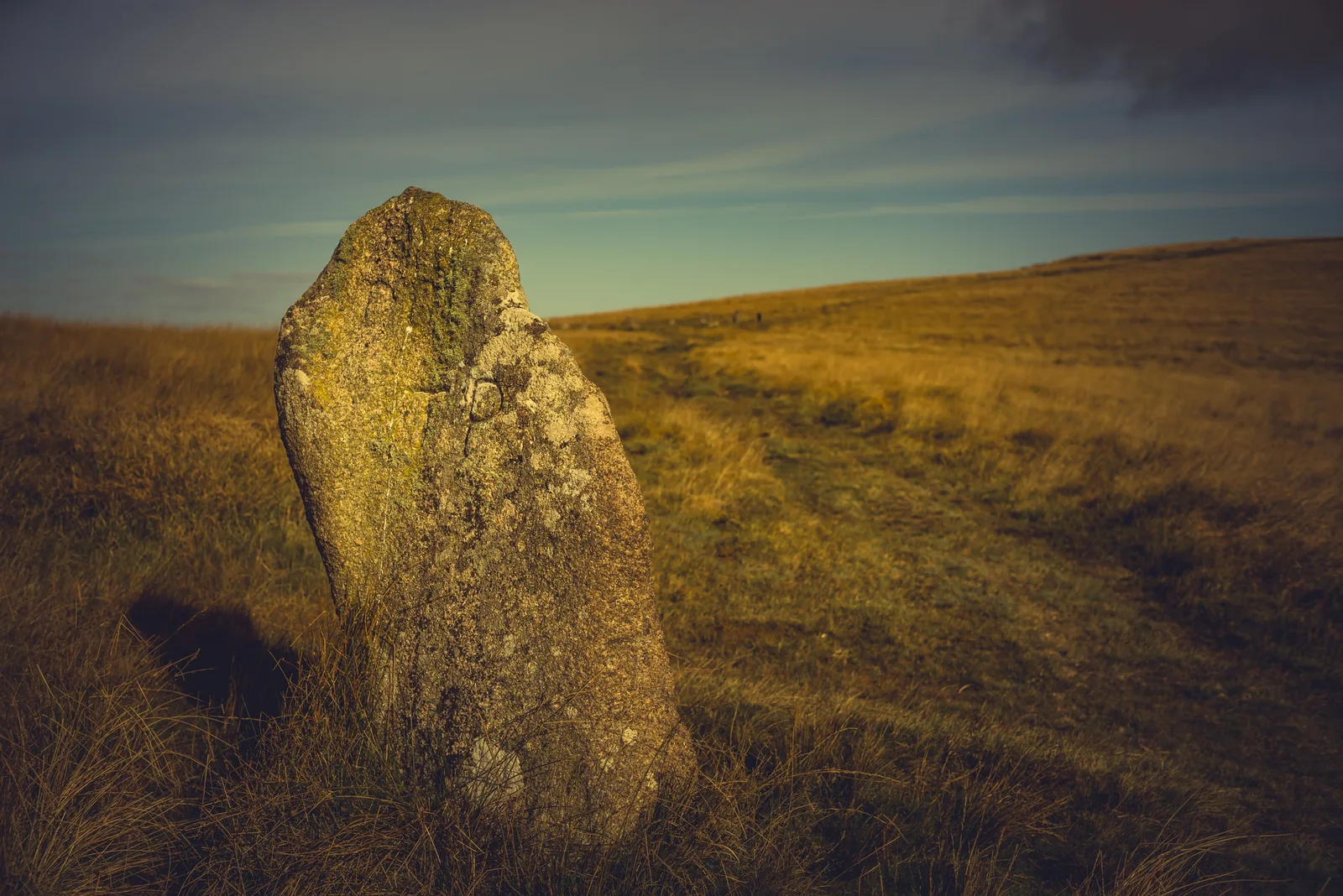
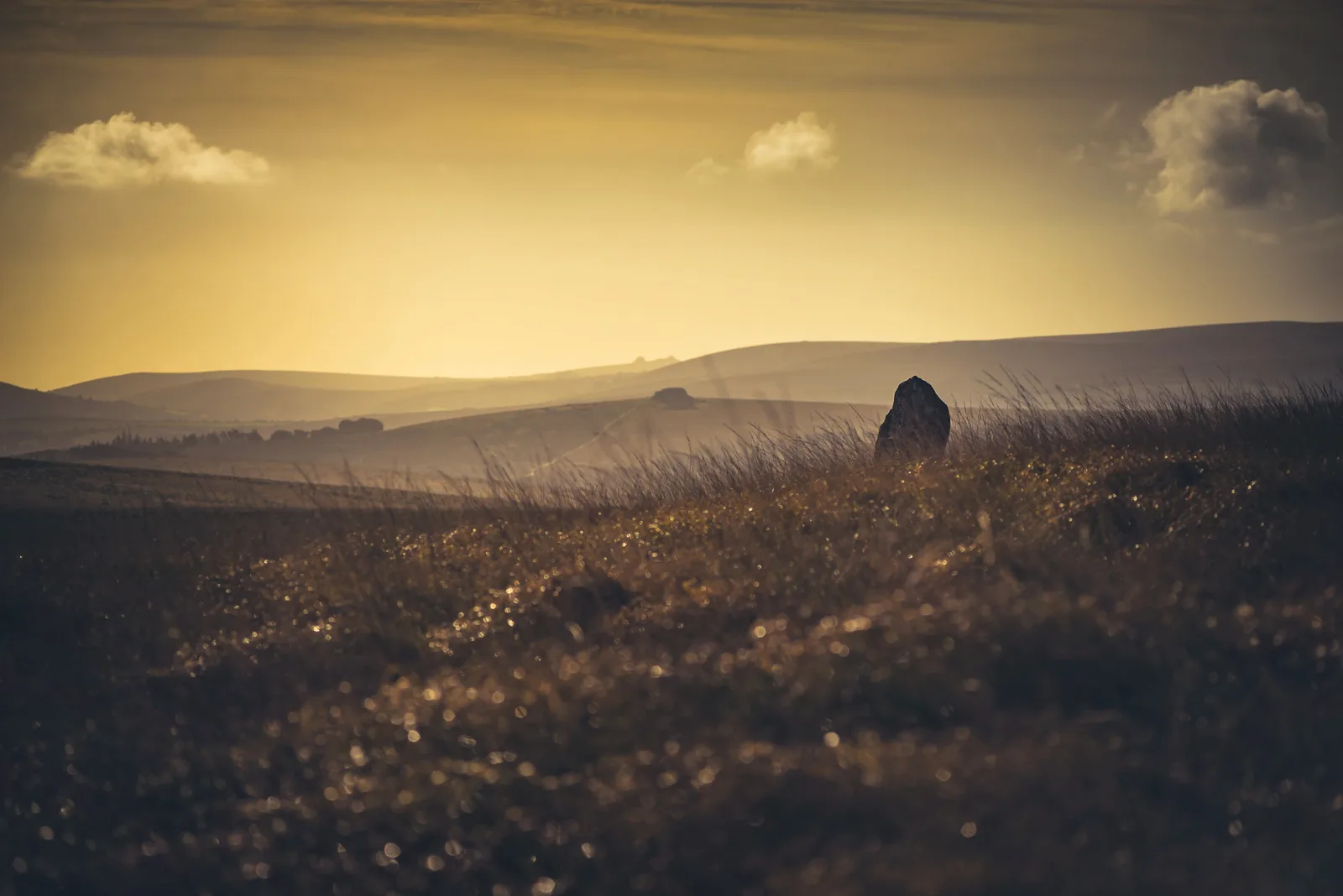
Main image: Photograph by Glavind Strachan Photography
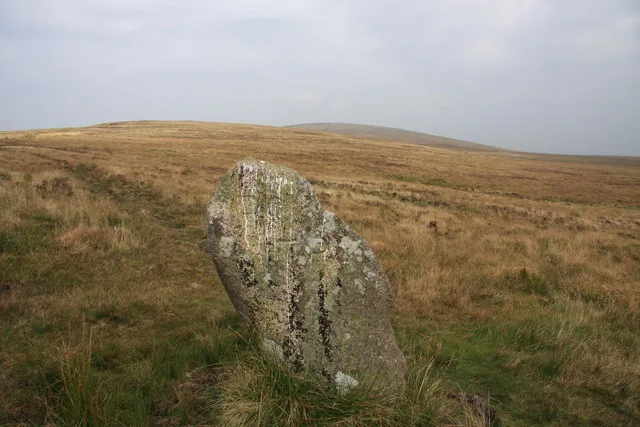
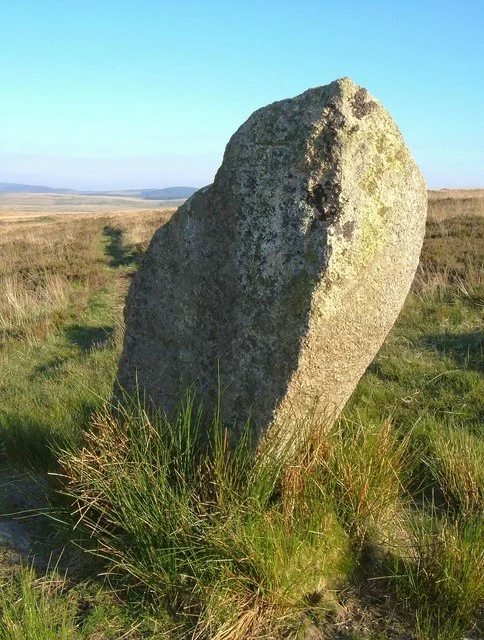
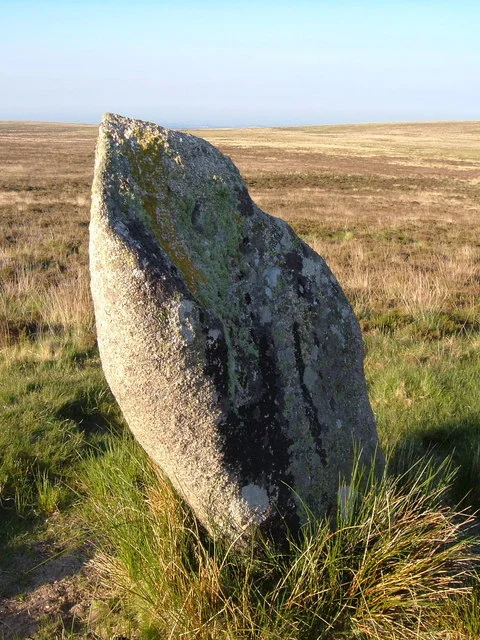
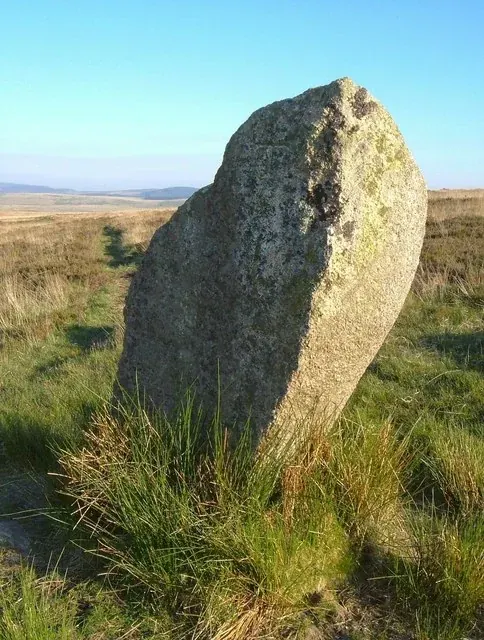
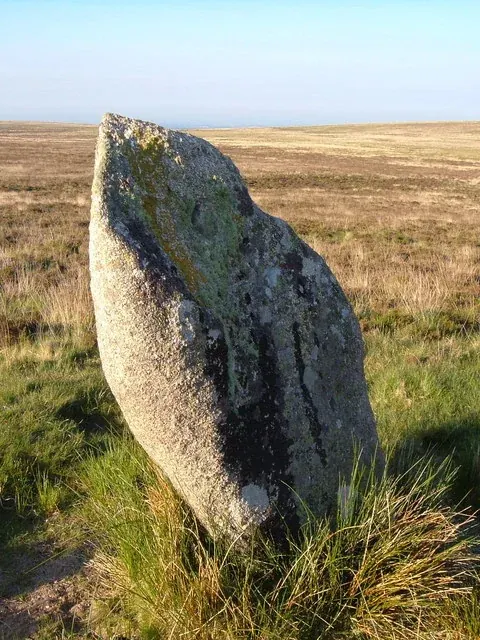
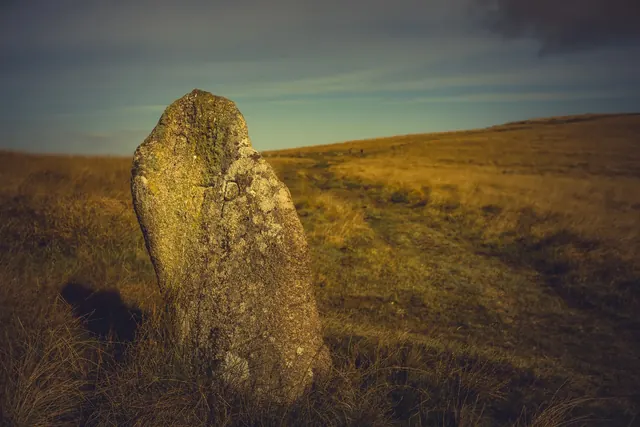
The White Moor Stone is a standing stone 1.7 m high and up to 1 m wide, leaning very slightly to the north. It stands at SX 6335 8947 on the col between Little Hound Tor and Hound Tor, south of Cosdon, where tracks have crossed for hundreds if not thousands of years.
Its four inscriptions record its working life as a boundary: DC for the Duchy of Cornwall (Dartmoor Forest), TP for Throwleigh, and two different Ts for South Tawton, one crude and probably the earliest, one serifed and picked out in black paint. The three parishes meet at this single point.
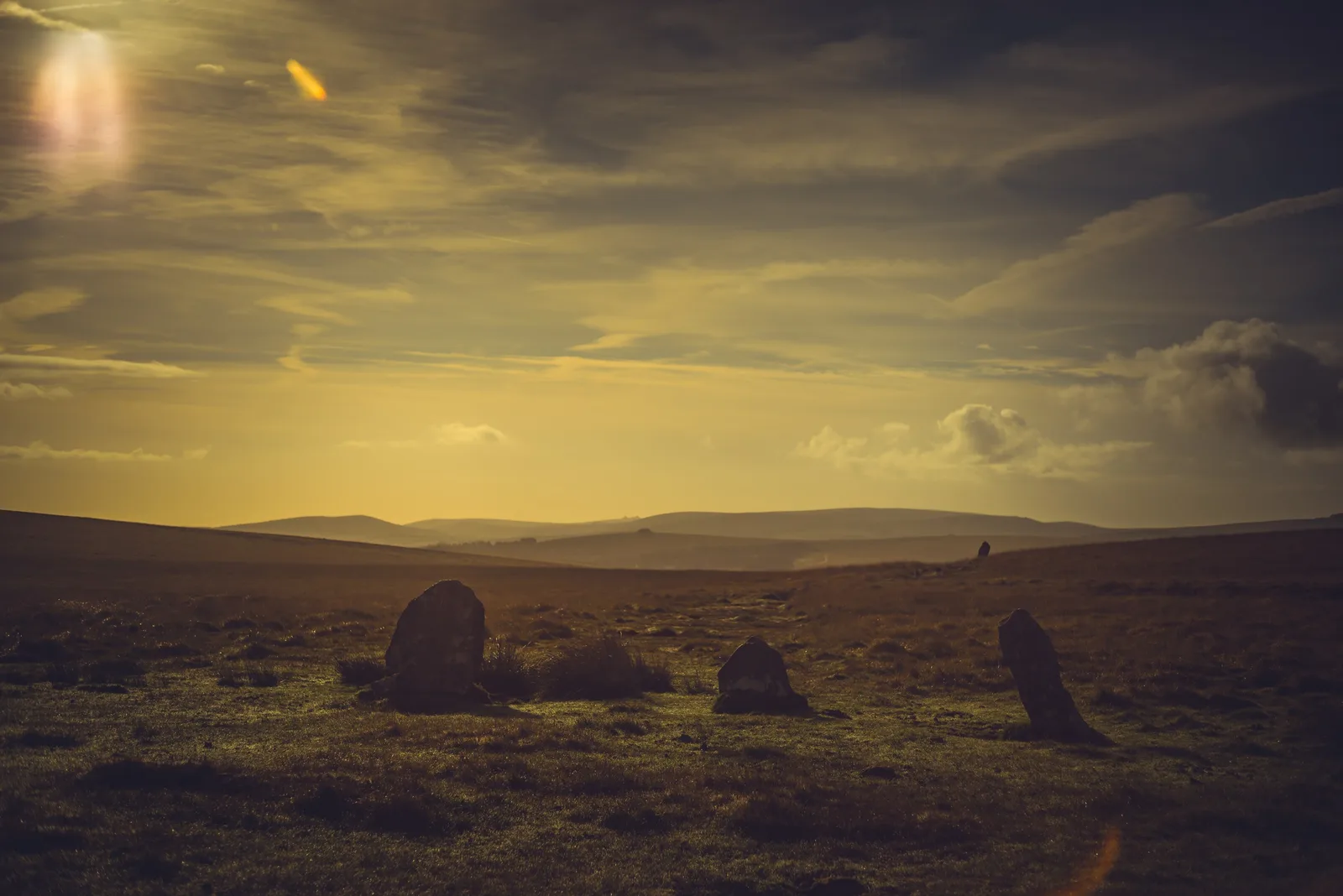
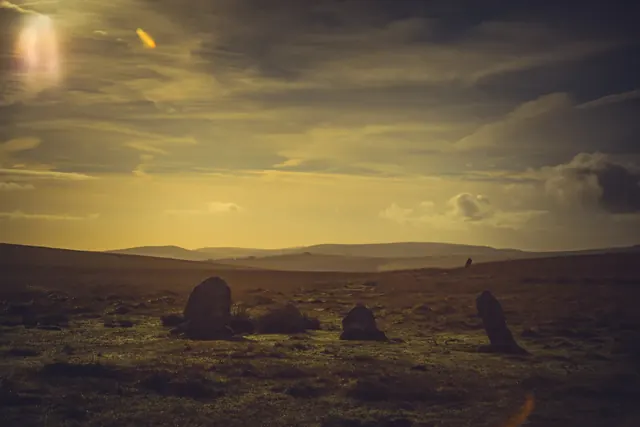
The stone lies about 160 m south-east of the White Moor stone circle (also called Little Hound Tor circle), which is 20.2 m across and the only Dartmoor circle with an entrance. The stone may once have belonged to the circle, or been a free-standing menhir beside it; it was probably moved and re-erected at some point.
Suggest an edit to this listing
Contact us if you have information about this listing
Dartefacts is a database of Dartmoor sites with far more close-up detail than we can show here, and it is the best place to go deeper. Dartefacts is free to use, and nobody has to pay to look things up. If you want more, a yearly subscription adds 10-figure grid references, map zoom down to 1:25,000 and lists to tick off the places you have visited, and it helps keep the site going. We would encourage you to subscribe.
Be the first to share a thought about White Moor Stone.
Share a thought Photograph by Glavind Strachan Photography
“...it's now rare to hear the Dartmoor dialect, songs, and stories being told in homes and pubs in the hamlets and villages.”
Also on Our DartmoorA View of Devonshire in MDCXXX: with a pedigree of most of its gentry — Thomas Westcote's view of Devon as it was in 1630, with the pedigrees of most of its gentry, printed at Exeter in 1845.
Old books sometimes spell "Black Tor" differently. Which of these is one of those spellings?
Know another Dartmoor place, tor or landmark we should include? Suggest a listing, it is free.
Suggest a listing