Antiquities
Settlement
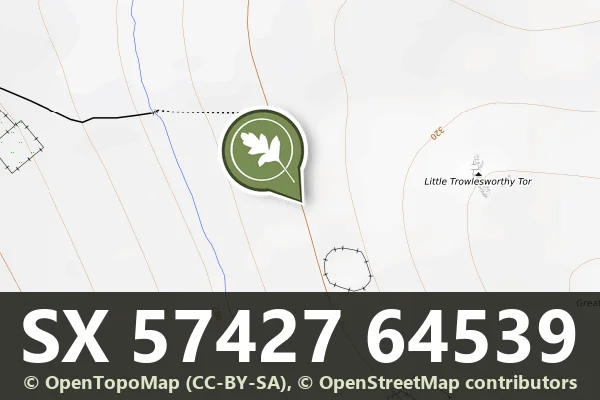
Bronze Age settlement remains scattered across open moorland, revealing how ancient communities lived on Dartmoor's high ground.


Bronze Age settlement remains scattered across open moorland, revealing how ancient communities lived on Dartmoor's high ground.
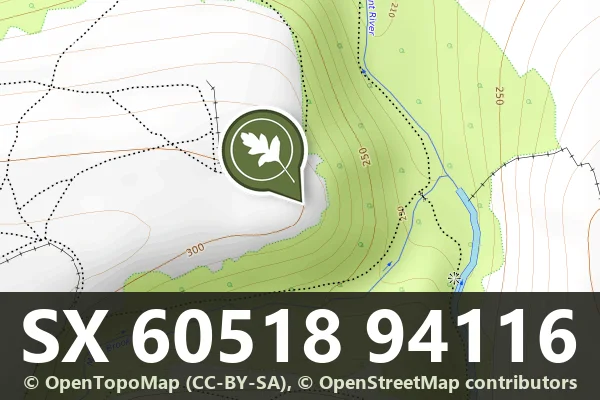
Iron Age fort crowning a Dartmoor hilltop, where ramparts still trace the defensive ambitions of ancient communities.
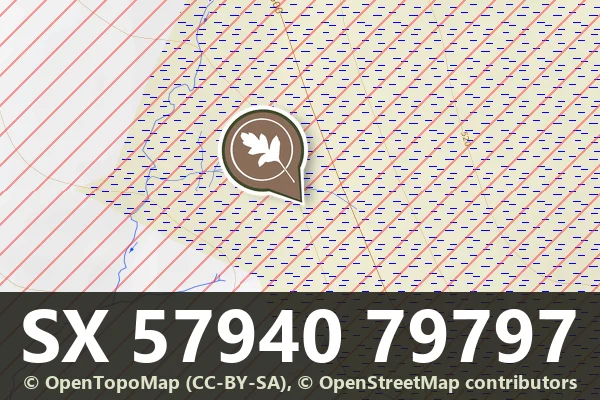
A stark stone shelter from Dartmoor's tin-mining heyday, offering glimpses of the miners who worked this high moorland.
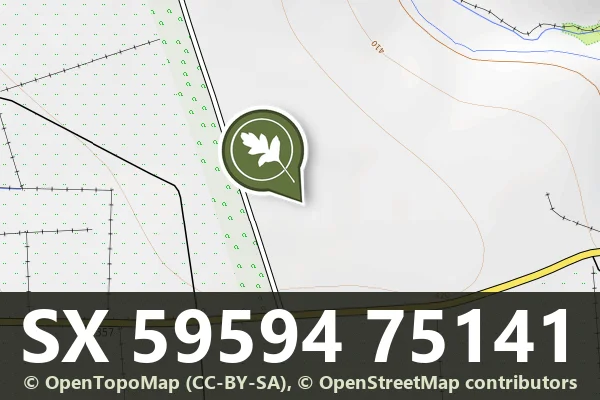
An Iron Age hillfort crowning the high moorland, with commanding views across Dartmoor's rolling plateau.
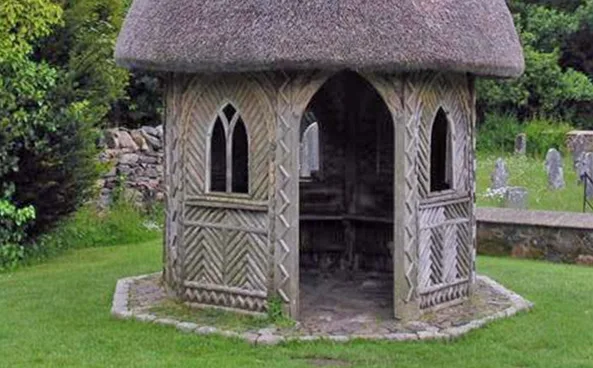
A hidden burial ground on Dartmoor where Quaker communities laid their dead, away from parish churchyards.
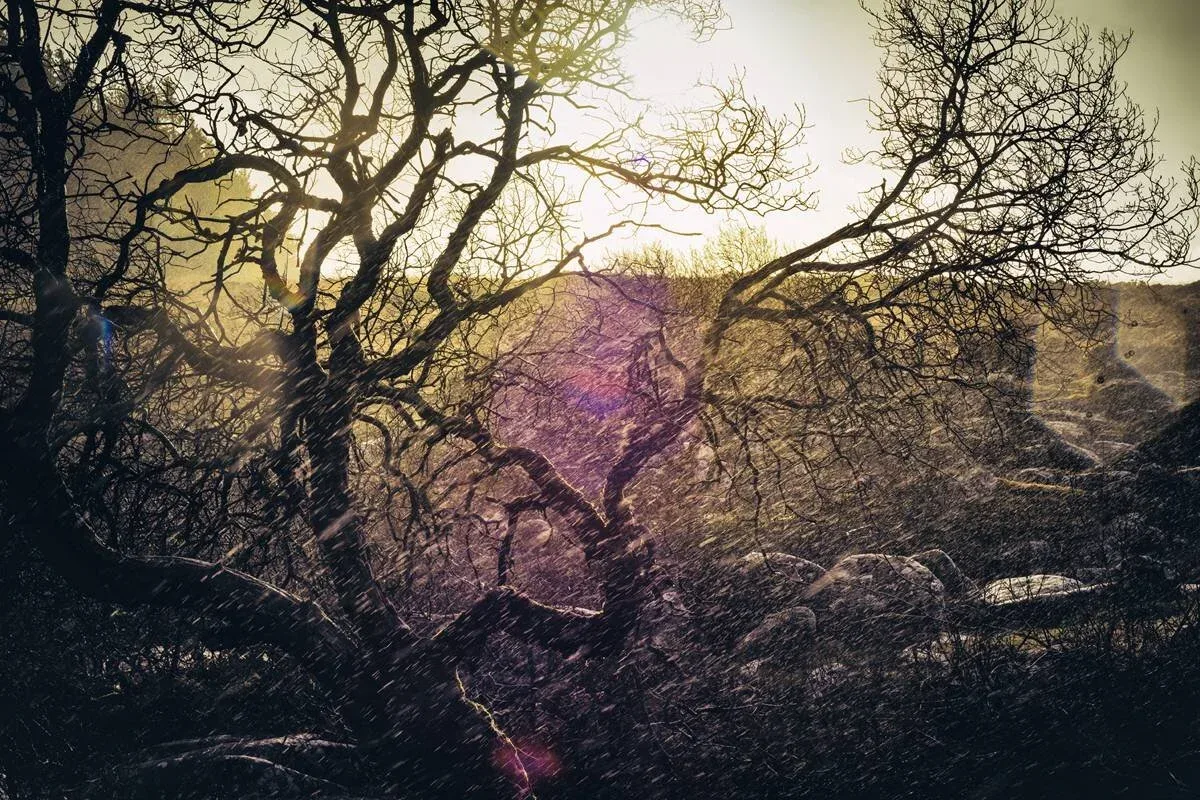
A mysterious stone with a natural hole, believed to hold ancient spiritual significance on the open Dartmoor plateau.
Tavistock
L-shaped fragments of walls in St Eustachius' Churchyard are the remains of the north-west corner of the Abbey cloister and the south wall of the Abbey Church, dating to the thirteenth century.
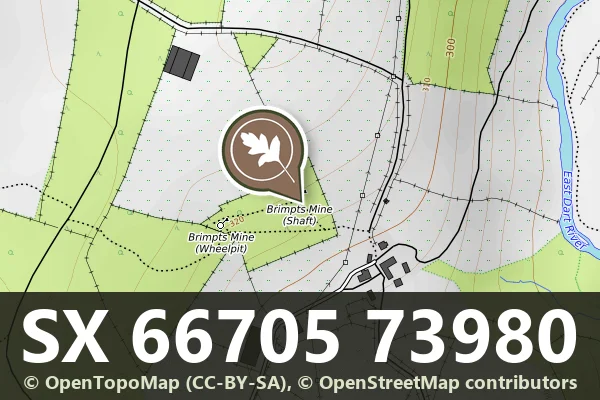
A stark mining shaft among Dartmoor's moorland, testament to the industrial past hidden beneath the granite landscape.
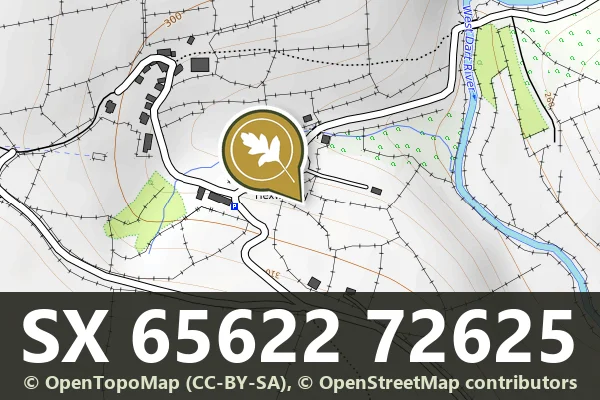
A solitary stone cross standing on the open moor, marking a place of remembrance in Dartmoor's windswept landscape.